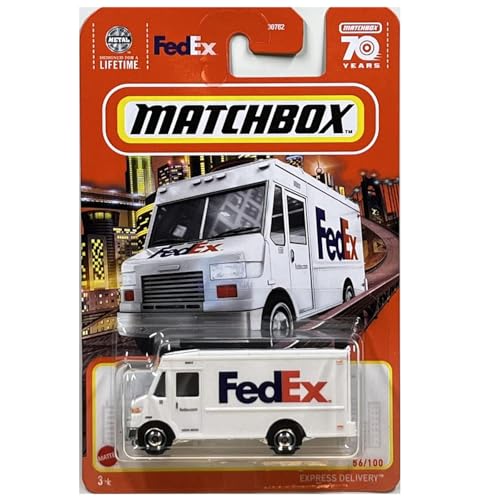
FedEx Express Delivery Truck 56/100
4.6 out of 5 · 178 ratings
1:64
$29.86$33.85
Open the slot
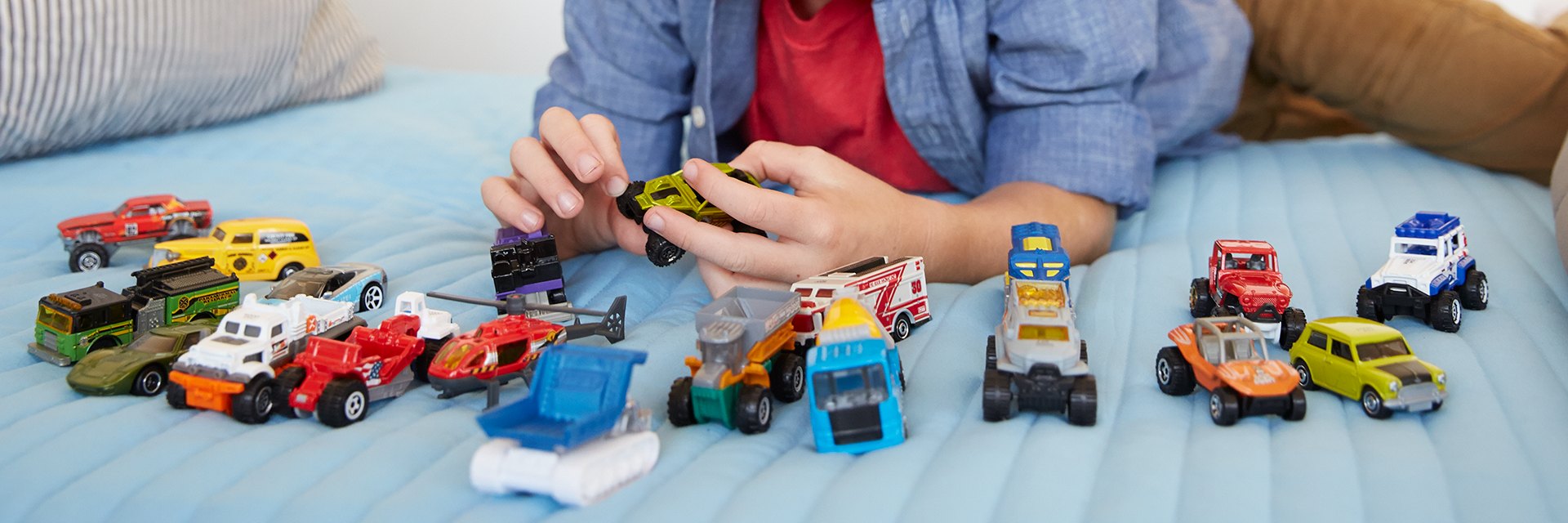
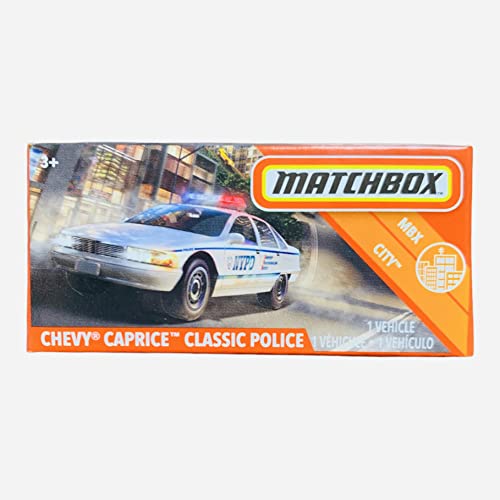
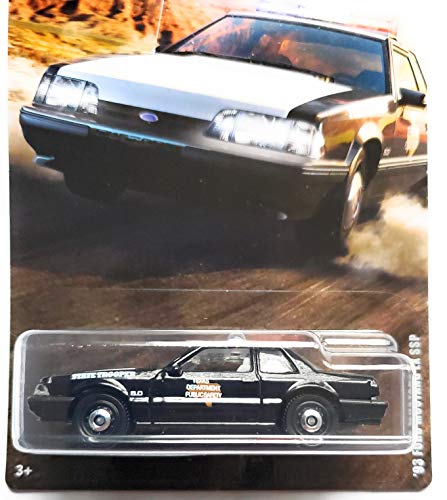
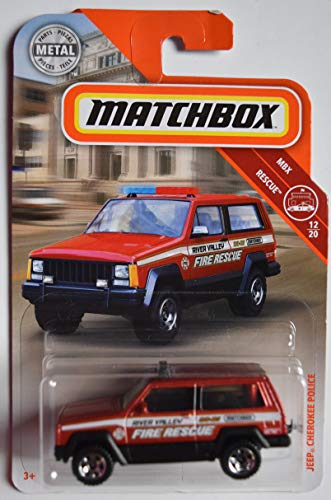
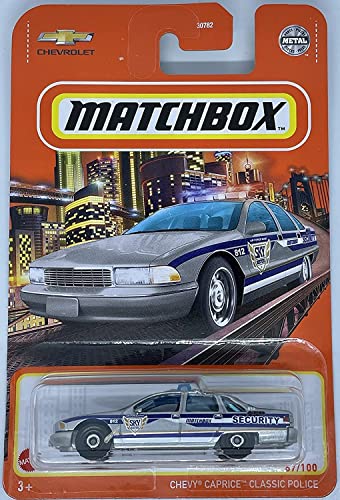
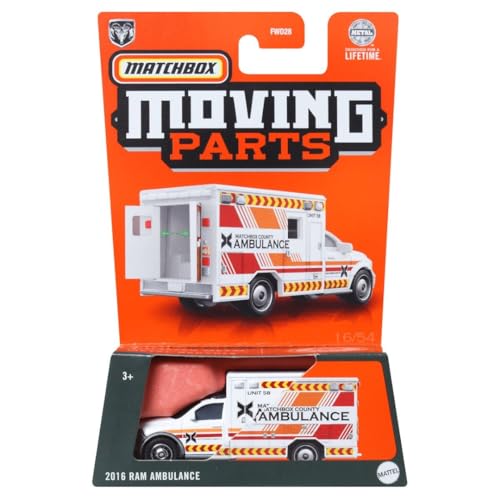
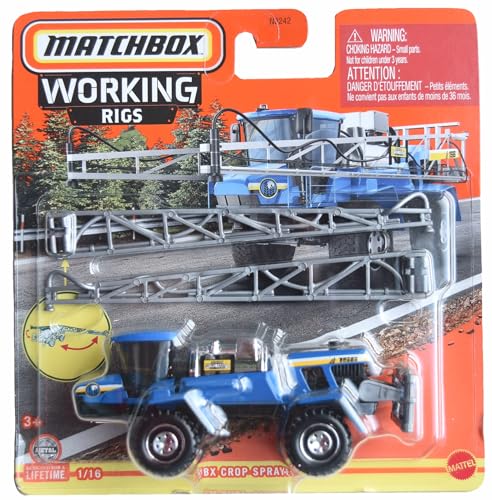
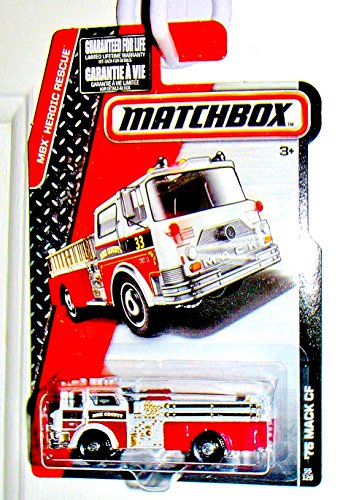
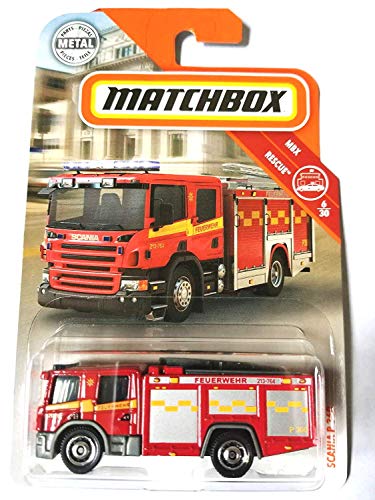
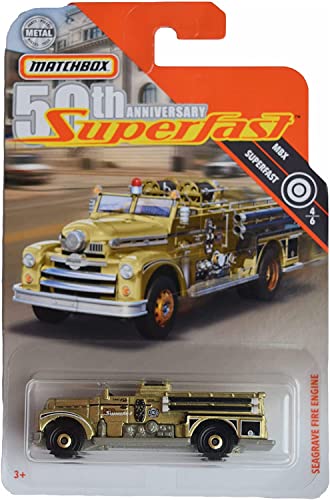
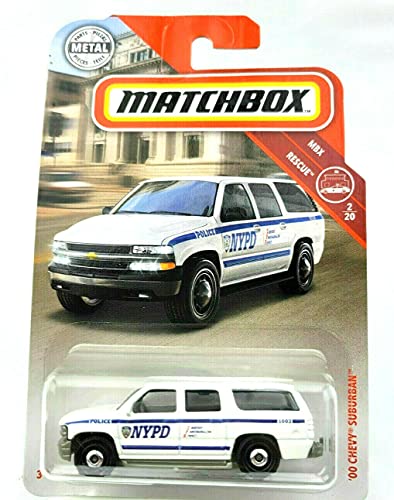
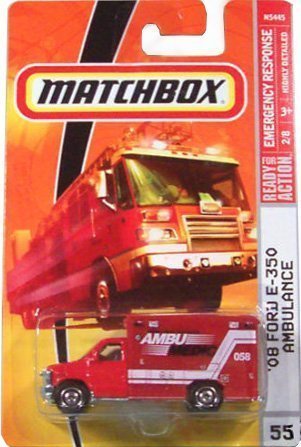
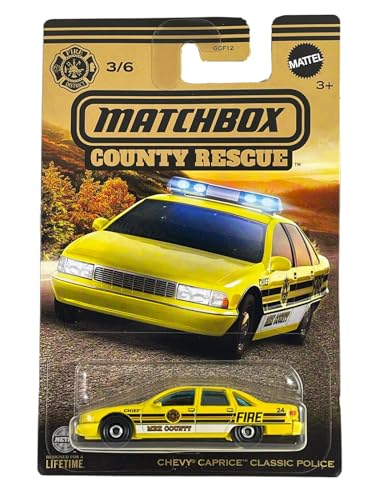
Tractors, excavators, fire engines, ambulances and police cars — the Matchbox models with work to do, cast at the same 1:64 size as the rest of the case.
Half of what Matchbox has ever cast is a vehicle with a job to do. The first models out of the factory were a road roller and a cement mixer, not sports cars, and the working side of the catalog has never gone quiet since. This tray is where those models live: excavators, tractors, flatbeds, tippers, fire engines, ambulances and the police cars that chase everything else.
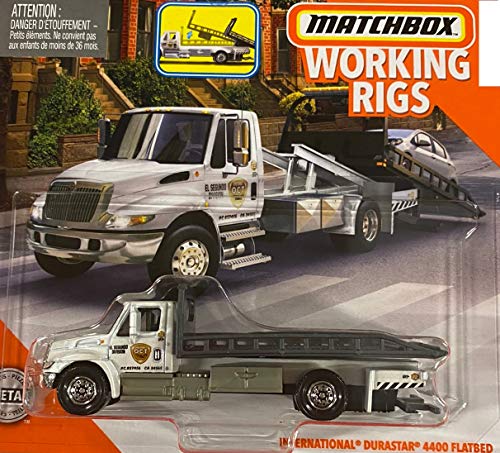
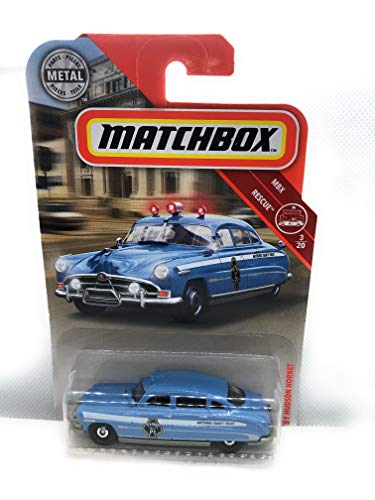
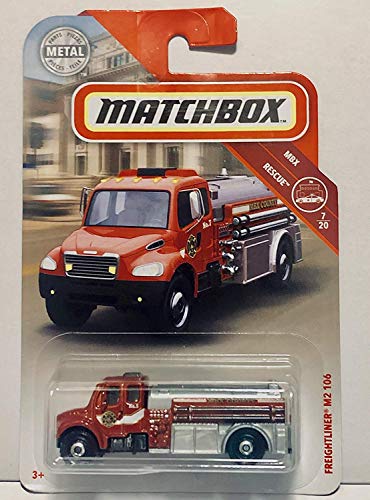
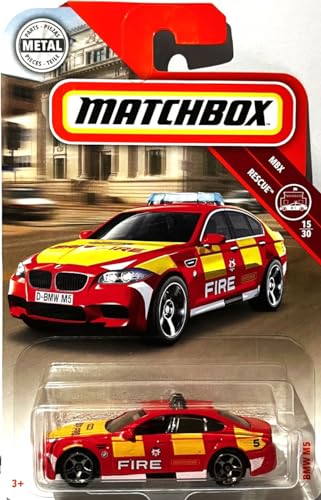
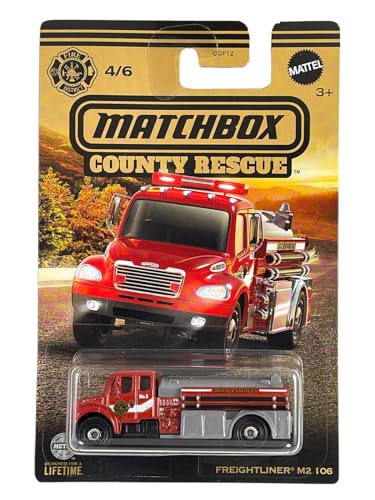
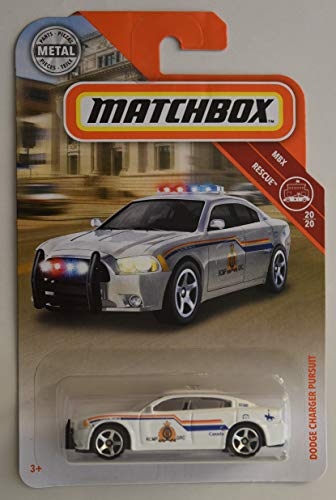
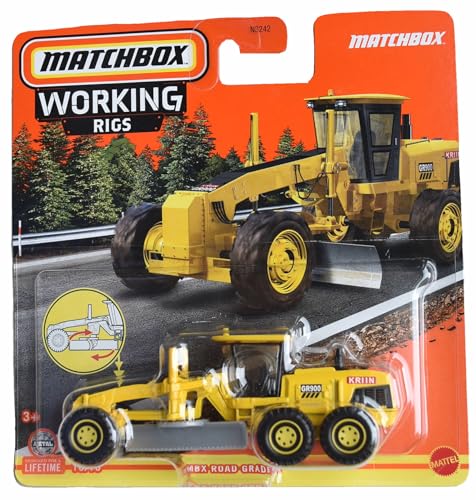
Working Rigs is the named line, and it is the one a collector tends to point at — heavier castings, more printed detail on the cab, and liveries copied from real operators rather than invented. Around it sit the rescue models released every year, numbered inside their own series, which is how somebody ends up hunting one specific hazard-squad truck out of thirty.
4.6 out of 5 · 178 ratings
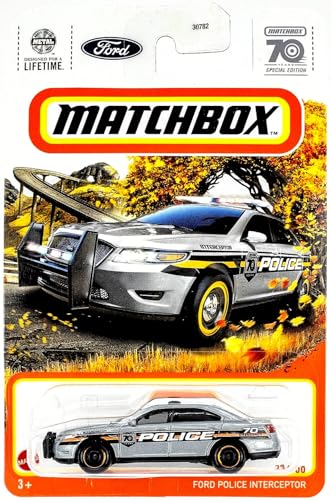
4.7 out of 5 · 151 ratings
4.6 out of 5 · 144 ratings
4.5 out of 5 · 122 ratings
4.4 out of 5 · 100 ratings
4.6 out of 5 · 71 ratings
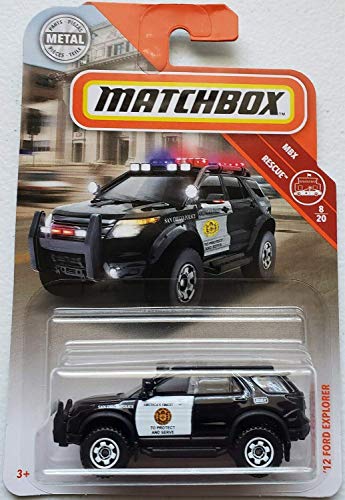
4.6 out of 5 · 69 ratings
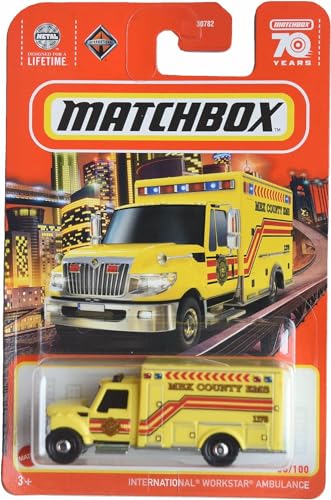
4.7 out of 5 · 66 ratings
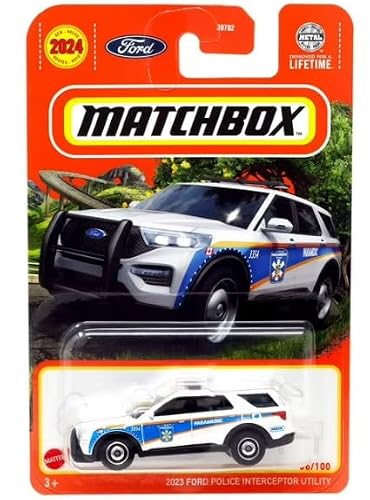
4.8 out of 5 · 61 ratings
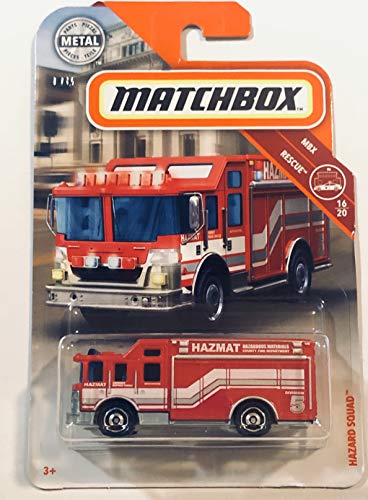
4.5 out of 5 · 50 ratings
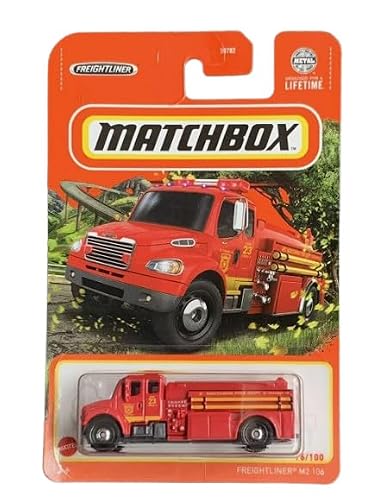
4.9 out of 5 · 38 ratings
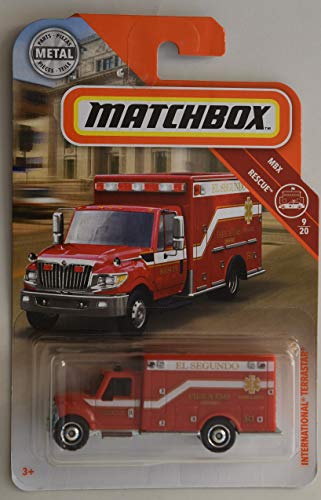
4.8 out of 5 · 38 ratings
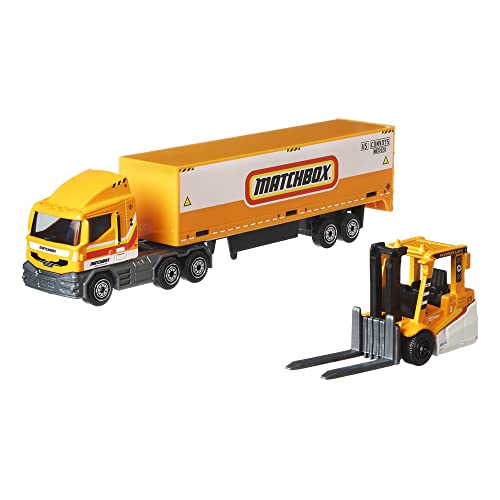
4.7 out of 5 · 36 ratings
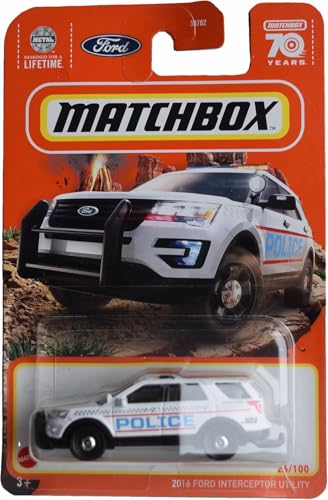
4.5 out of 5 · 30 ratings
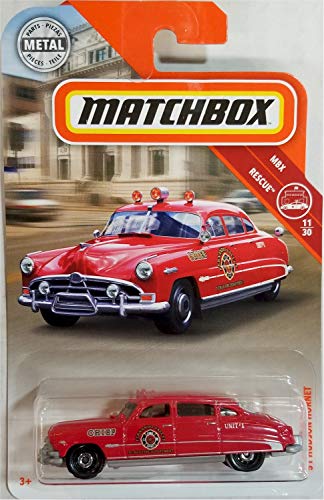
4.4 out of 5 · 28 ratings
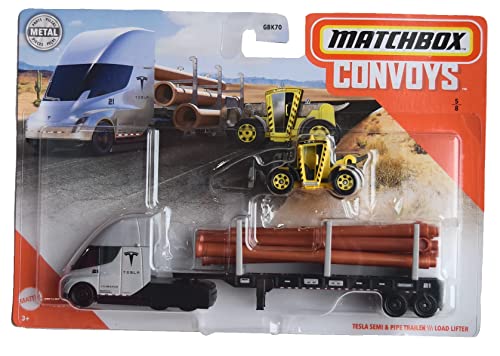
3.8 out of 5 · 27 ratings
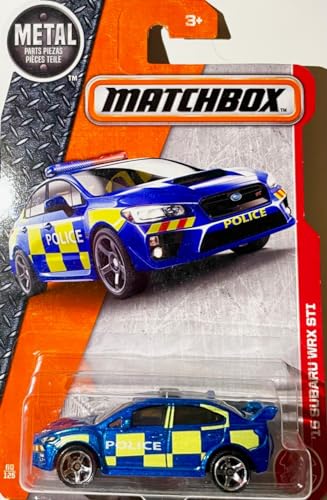
4.3 out of 5 · 24 ratings
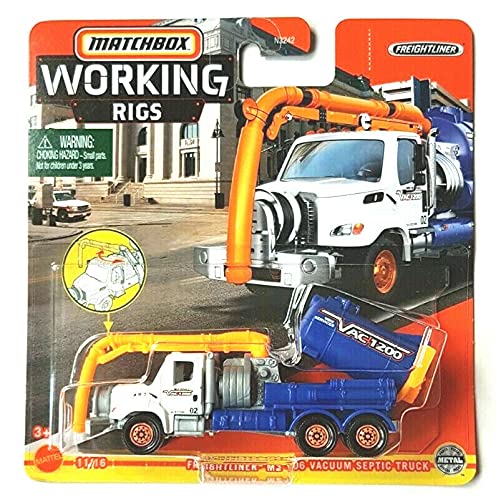
4.0 out of 5 · 24 ratings
4.2 out of 5 · 23 ratings
4.6 out of 5 · 23 ratings
4.5 out of 5 · 22 ratings
4.7 out of 5 · 22 ratings
4.7 out of 5 · 21 ratings
4.7 out of 5 · 20 ratings
5.0 out of 5 · 20 ratings
4.9 out of 5 · 19 ratings
4.8 out of 5 · 16 ratings
4.7 out of 5 · 16 ratings
4.8 out of 5 · 15 ratings
4.2 out of 5 · 15 ratings
4.9 out of 5 · 13 ratings
5.0 out of 5 · 12 ratings
4.5 out of 5 · 12 ratings
5.0 out of 5 · 12 ratings
4.5 out of 5 · 9 ratings
4.7 out of 5 · 9 ratings
4.8 out of 5 · 8 ratings
5.0 out of 5 · 7 ratings
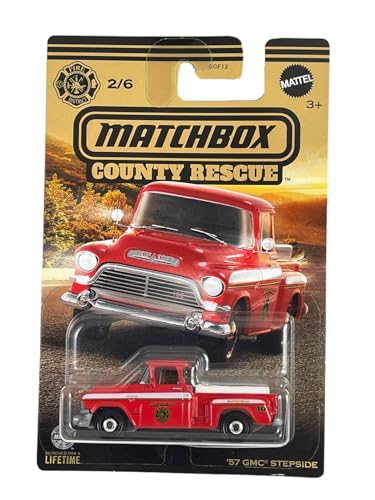
4.6 out of 5 · 7 ratings
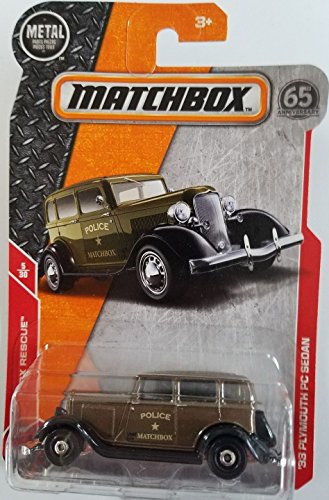
4.8 out of 5 · 6 ratings
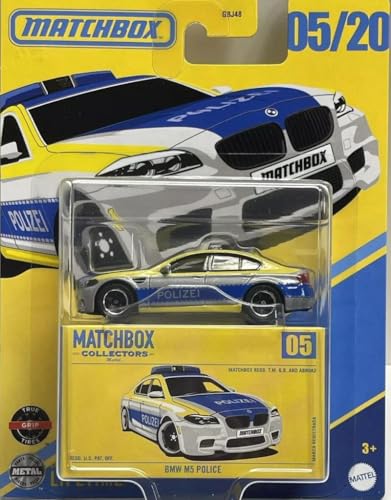
5.0 out of 5 · 6 ratings
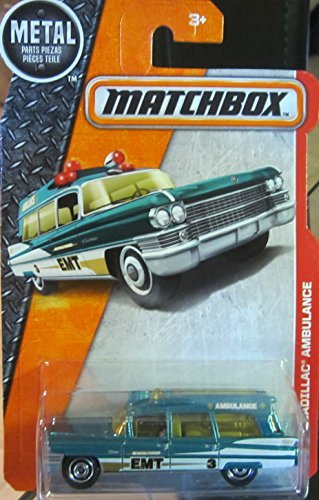
4.2 out of 5 · 5 ratings
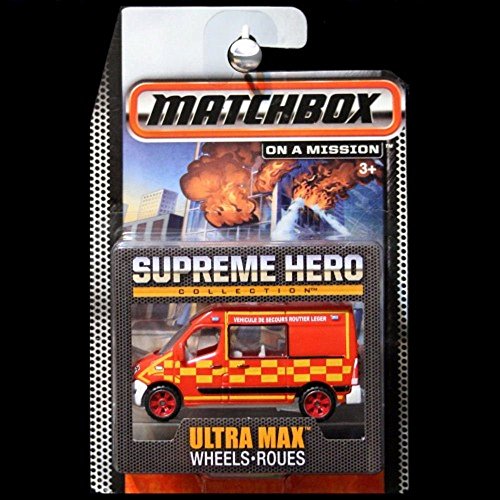
3.4 out of 5 · 4 ratings
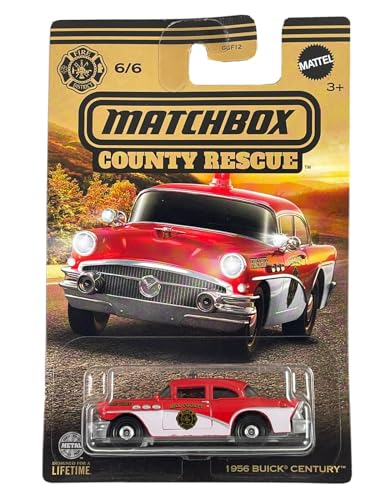
5.0 out of 5 · 4 ratings
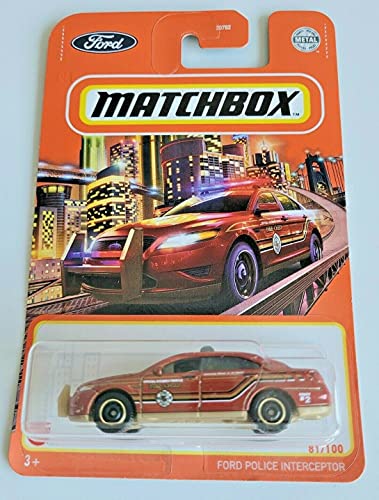
5.0 out of 5 · 4 ratings
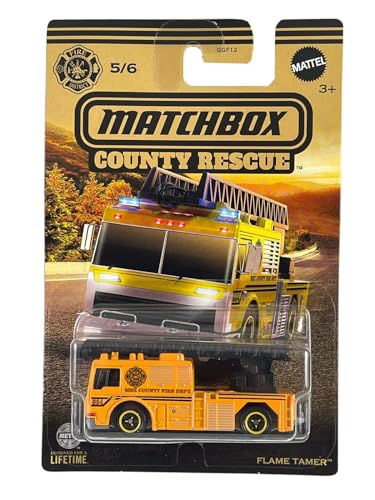
4.4 out of 5 · 4 ratings
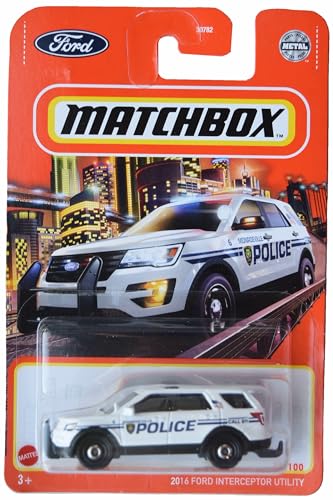
4.7 out of 5 · 4 ratings
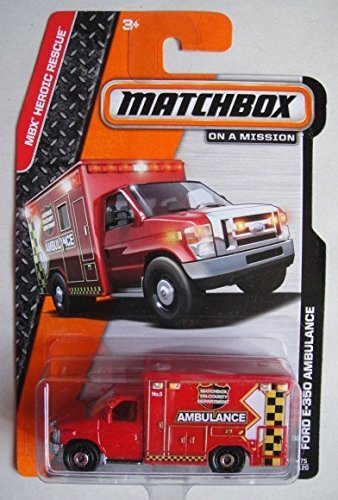
5.0 out of 5 · 4 ratings
Sorting here is by job rather than by marque, because that is how anyone actually looks for these. Construction first — excavator, loader, dump truck, roller. Then farm, where the tractor and the harvester live. Then municipal: street sweeper, recycling truck, tow truck. Then the emergency category, which is the largest of the four and the one with the most releases each year. A Ford pickup in a utility livery counts as working; the same casting in a plain color is filed with the cars.
The trucks here do the same thing the cars do on a shelf, only taller. They are also the models most likely to survive a childhood, because a diecast tipper is difficult to damage and the printed graphics do not peel the way a sticker would. If you want one category to start with and you are buying for kids rather than for a showcase, start here.
Nothing in this tray is personalized and nothing is sold as a gift set with a name on it — the manufacturer prints the same livery on every copy. What you create instead is a yard: pick your favorites, find the types you are short of, and expand sideways. An Audi sedan or a convertible belongs in the car tray; this one is for the vehicles with a job.
Starting a working set is also the cheapest way into the brand. These castings are frequently the ones still on the peg after the licensed cars have gone, so you can grab three for the price of one collector release, and a child can open the packaging without an adult. The possibilities close up later, when you are hunting one numbered hazard truck and the information on which series it belongs to suddenly matters.
A vehicle with a job: construction, farm, municipal or emergency. A pickup in a utility livery counts; the same casting in a plain color is filed with the cars.
Mostly 1:64, so a tipper parks beside a sedan at the right size. A few of the heavier commercial bodies run slightly under, because the real vehicle is simply taller than a car.
The numbered rescue sub-series. Mainline construction castings stay on the peg for months; a specific Hazard Squad position can take a year to turn up at a sensible price.
It is the one we would pick. The castings are cheap, the printed graphics do not peel, and a diecast tipper takes more damage than a premium car ever will.
By job rather than by marque. Browsing this list the way you would browse Matchbox cars — looking for a favorite badge — does not work, because a tipper wears a contractor name, not a carmaker's. Pick the work you want represented, then look at another body doing the same job.
Only what the store lists. Plenty of detailed European and international liveries exist on old castings, but this page follows the stock offered from locations serving the United States, so a few of those bodies never appear here.
Not really, and that is worth saying plainly. Racing graphics live on the cars; these bodies feel closer to a municipal yard than a circuit. The nearest thing is a recovery truck in a team color scheme, which turns up occasionally.
Two sorts of buyer. Someone dedicated to one job — every fire body the brand has made — and someone building a street scene who needs an old utility van parked at the kerb. Both get more out of this tray than a shelf collector would.