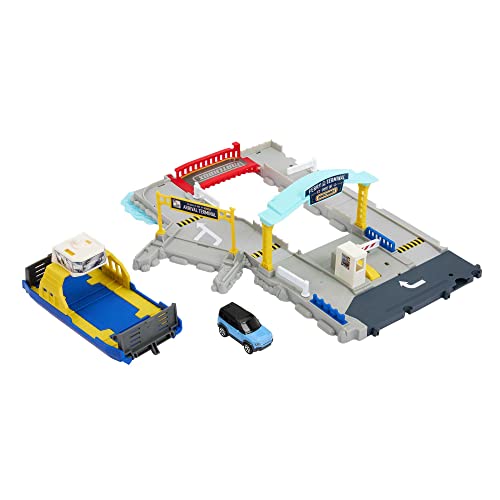
HMH29 Ferry Port Set with Detachable Wheeled Ferry, Elements to Activate Manua
4.8 out of 5 · 492 ratings
1:64
$24.88
Open the slot
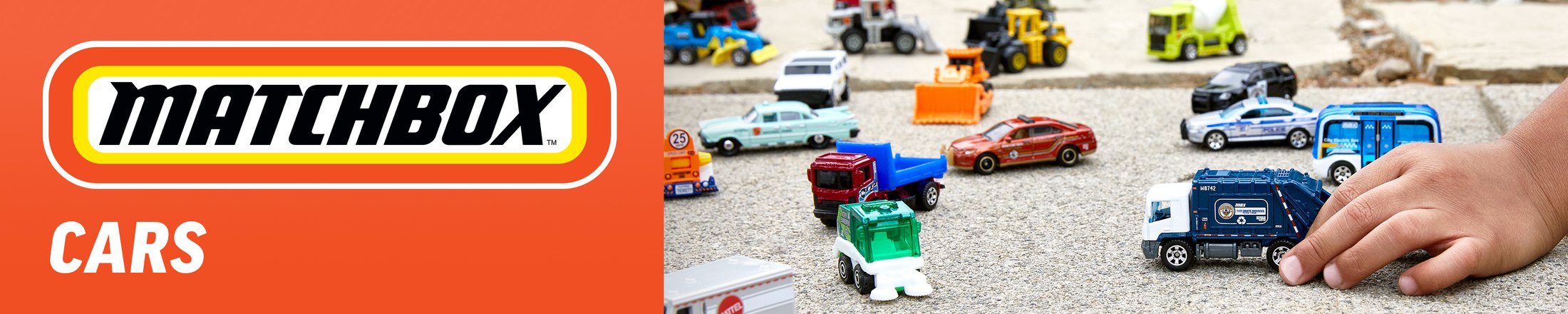
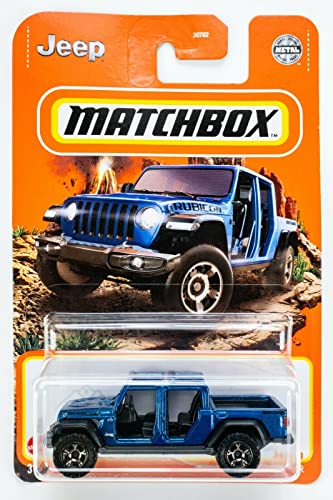
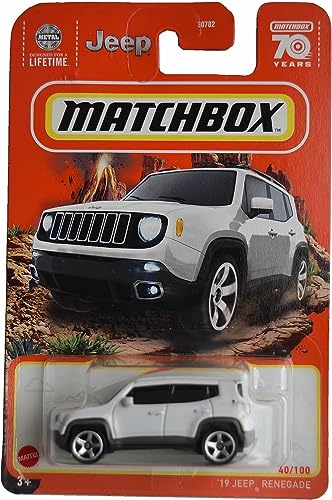
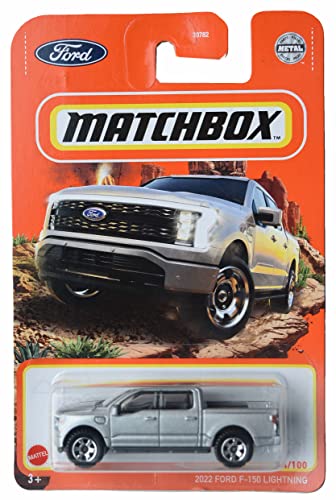
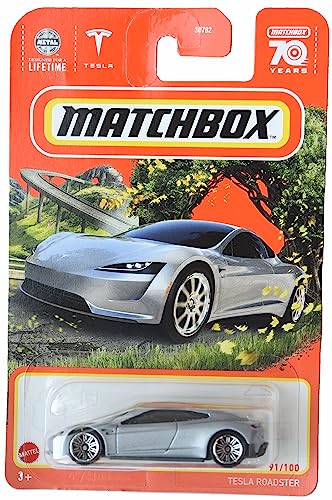
Single Matchbox cars in 1:64 scale — the small diecast models that started everything in 1953, listed one at a time with the price the store is asking today.
A single Matchbox car is the whole idea of the brand in one hand. The 1:64 size came from a plain rule — the model had to close inside a matchbox — and that box set the size of everything the manufacturer has designed since. Seventy years later the ratio has not moved, which is why a 1953 model and a car released this year sit together in one collection and look like they belong there.
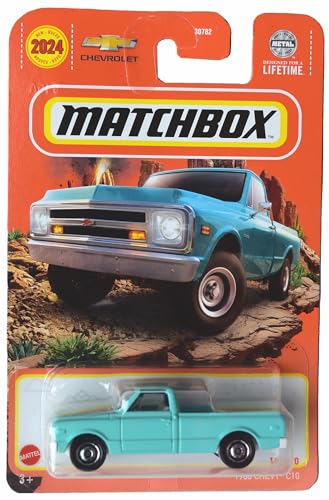
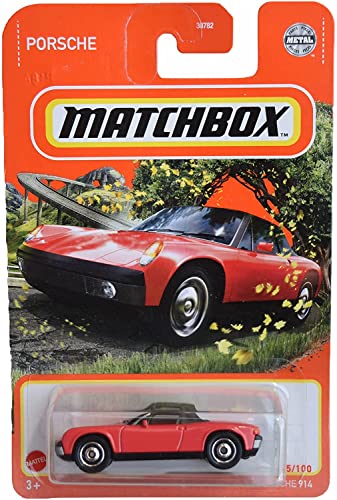
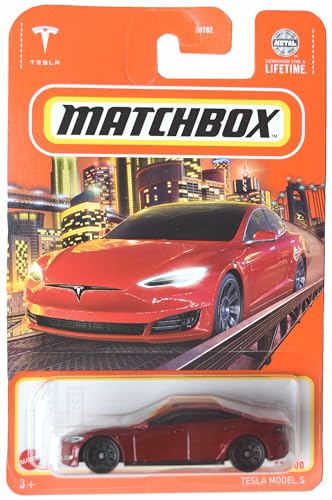
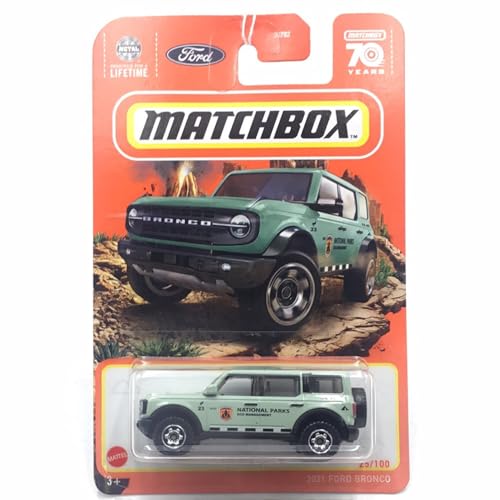
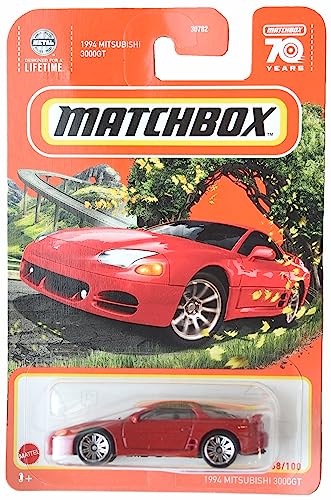
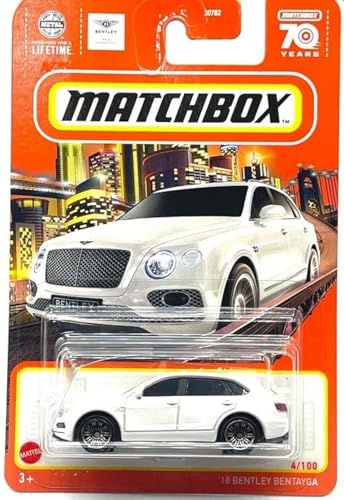
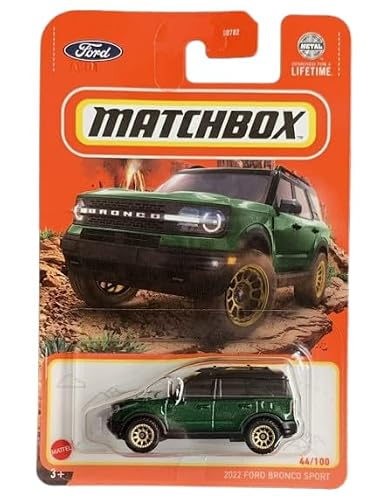
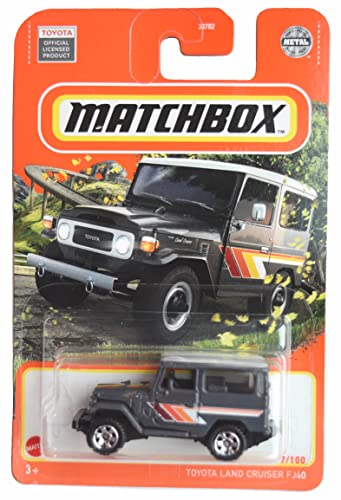
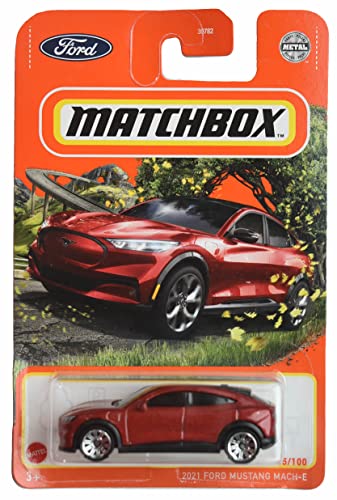
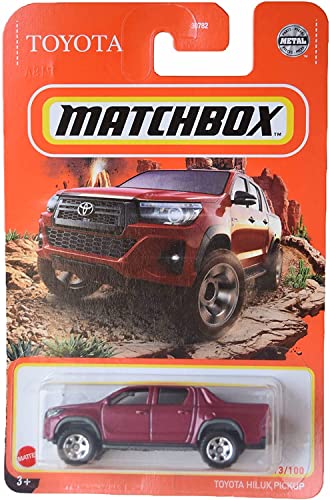
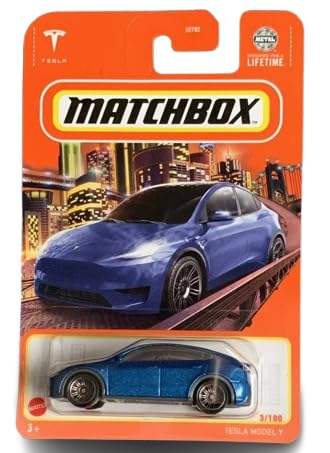
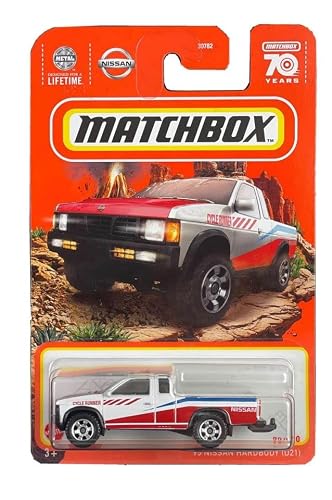
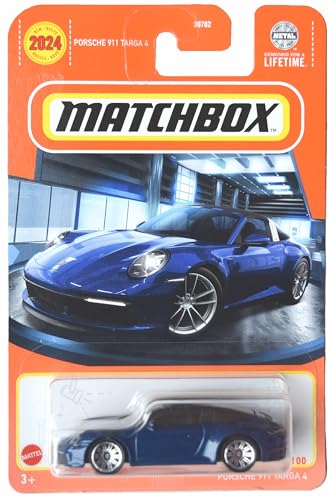
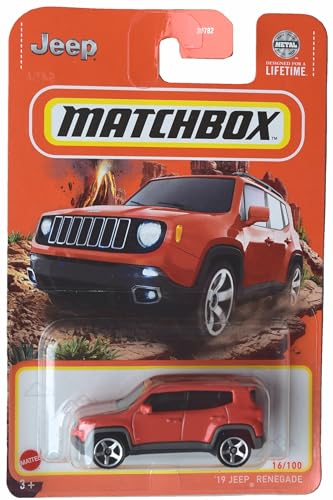
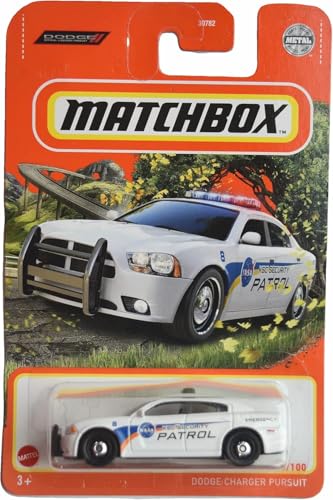
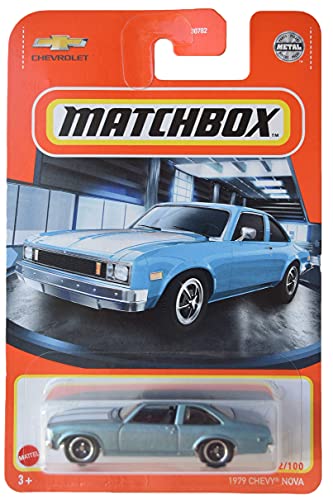
This tray holds the cars sold as singles: sedans, coupes, pickups, off-roaders, racing models and the odd gem nobody would expect to find cast in metal. Most carry a diecast metal body on a plastic base, rolling wheels and a printed livery rather than a sticker. Some add moving parts — a hood that opens, doors that swing, a tipping bed — and we list that on the card when the manufacturer builds it in.
4.8 out of 5 · 492 ratings
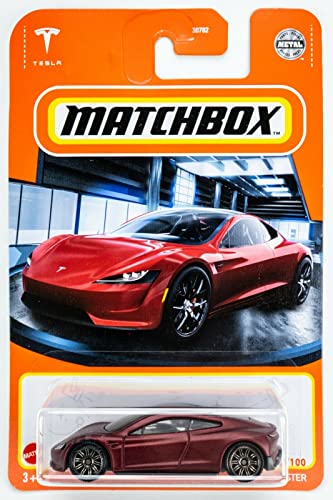
4.7 out of 5 · 199 ratings
4.7 out of 5 · 178 ratings
4.6 out of 5 · 127 ratings
4.7 out of 5 · 110 ratings
4.4 out of 5 · 109 ratings
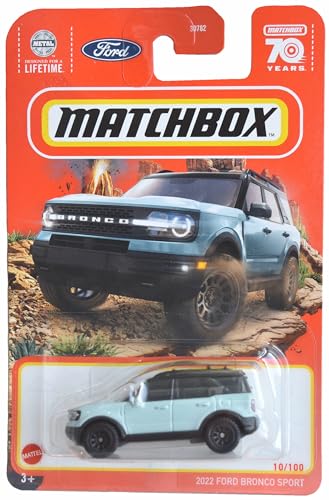
4.6 out of 5 · 100 ratings
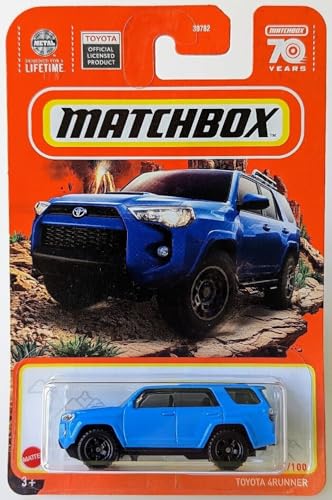
4.6 out of 5 · 96 ratings
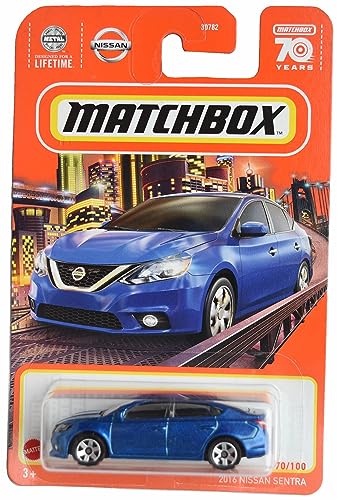
4.6 out of 5 · 92 ratings
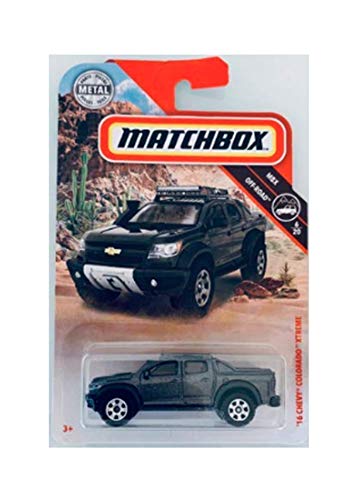
4.6 out of 5 · 91 ratings
4.6 out of 5 · 88 ratings
4.7 out of 5 · 85 ratings
4.7 out of 5 · 82 ratings
4.7 out of 5 · 81 ratings
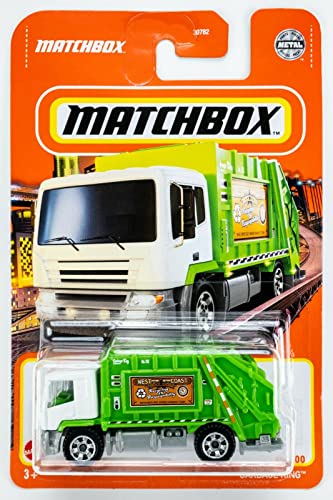
4.8 out of 5 · 79 ratings
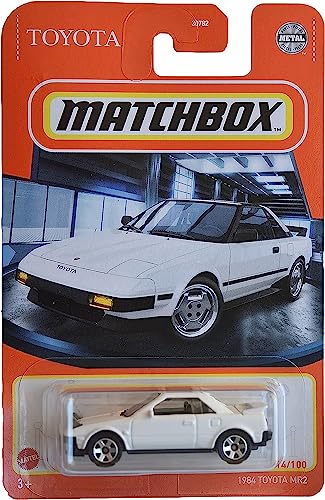
4.7 out of 5 · 76 ratings
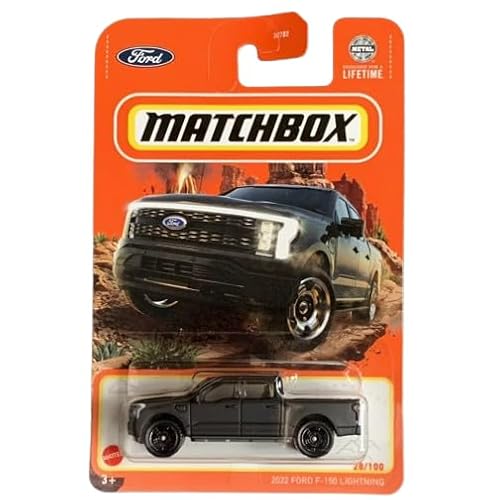
4.7 out of 5 · 75 ratings
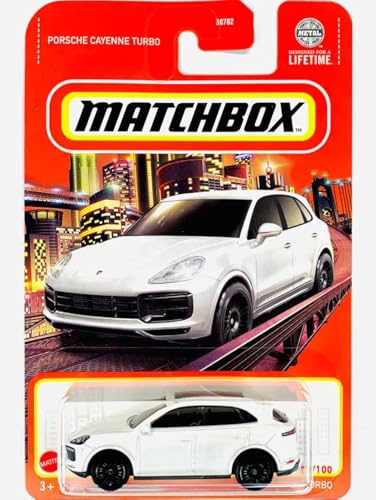
4.7 out of 5 · 72 ratings
4.9 out of 5 · 70 ratings
4.8 out of 5 · 68 ratings
4.8 out of 5 · 65 ratings
4.7 out of 5 · 65 ratings
4.7 out of 5 · 65 ratings
4.7 out of 5 · 65 ratings
4.6 out of 5 · 64 ratings
4.7 out of 5 · 64 ratings
4.7 out of 5 · 63 ratings
4.6 out of 5 · 63 ratings
4.5 out of 5 · 63 ratings
4.6 out of 5 · 61 ratings
4.9 out of 5 · 60 ratings
4.6 out of 5 · 59 ratings
4.6 out of 5 · 57 ratings
4.6 out of 5 · 56 ratings
4.6 out of 5 · 56 ratings
4.4 out of 5 · 55 ratings
4.5 out of 5 · 54 ratings
4.9 out of 5 · 53 ratings
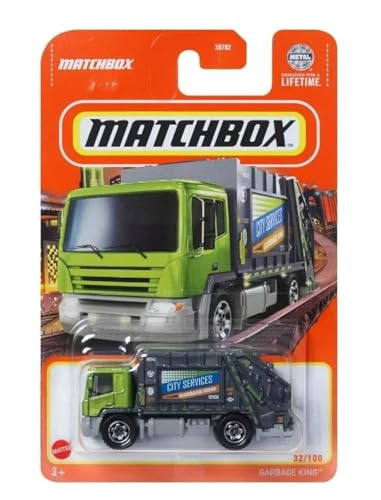
4.6 out of 5 · 53 ratings
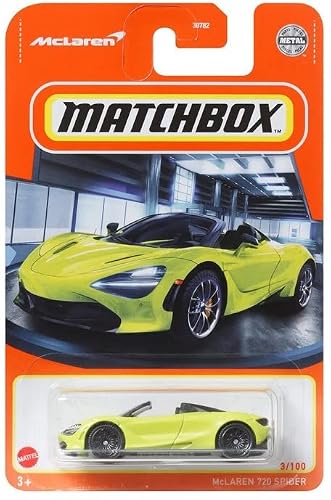
4.8 out of 5 · 51 ratings
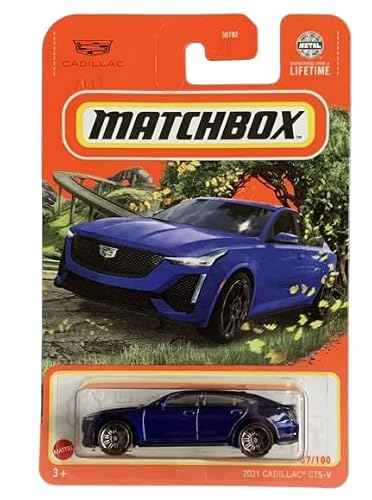
4.5 out of 5 · 51 ratings
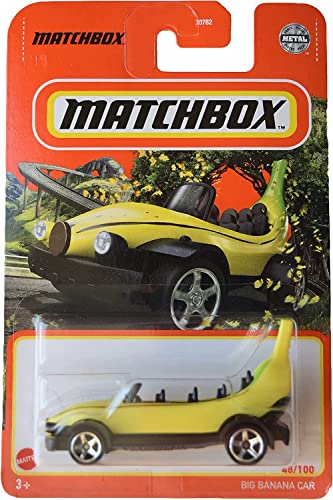
4.7 out of 5 · 51 ratings
4.6 out of 5 · 50 ratings
4.8 out of 5 · 49 ratings
4.7 out of 5 · 49 ratings
4.9 out of 5 · 49 ratings
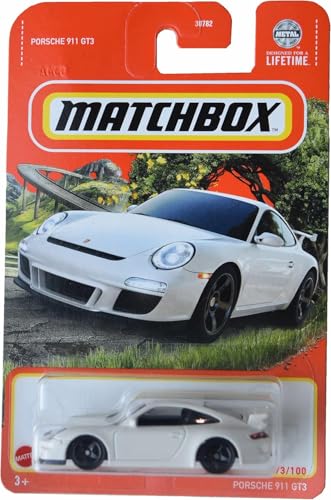
4.5 out of 5 · 48 ratings
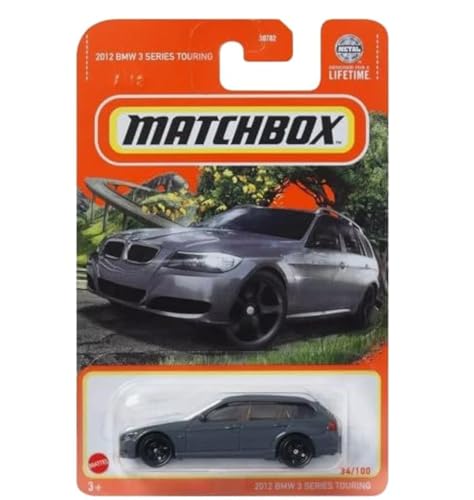
4.7 out of 5 · 47 ratings
Every category of passenger vehicle the brand has ever cast turns up here eventually. Ford is the marque that appears most often, because the manufacturer has held that license for decades; Audi, Toyota, Nissan and Dodge come round in smaller numbers, and a convertible or a racing body shows up whenever the year's lineup calls for one. Older castings get reissued, new tooling is added, and the list below is simply what was in stock and priced when we last read it.
If you are starting a collection, singles are the cheapest way in and the easiest to sort. Anyone who wants one Ford, one fire truck and one old recognizable sedan can pick exactly those three and stop. That is the quiet strength of this category: a collection can be as small as you like and still feel finished, because nothing here is sold as part of a set you have to complete.
Yes. Anything the brand builds at another ratio sits in the large-scale or Sky Busters trays, so every model on this list shelves at the same size.
We match the manufacturer field on the listing before a model gets a card here. Look-alike diecast under other names is left out even when the casting resembles one of these.
Moving Parts is a mainline casting reworked so something opens — hood, trunk or doors. It costs more and it is the version collectors usually want.
Only the ones on sale. A casting can run for a decade in a dozen colors; this tray shows what the store has today rather than the full history of the tool.
Both, and the same model is often a toy in one house and a shelf piece in another. A mainline casting is built to take damage from kids on a wooden floor; a Collectors release is detailed enough that most buyers never open the blister. Nothing here is personalized or made to order — you are browsing the same stock the store lists today.
Explore it by something you already like. The possibilities open up once you stop reading top to bottom: pick a marque, pick a year, pick a livery, let the rest wait. People frequently grab one featured car and then expand sideways into the castings beside it. That experience of following a single thread is how most collections create themselves.
We do not sell anything, so there is no shipping desk here. Each card points at the listing, and the retailer decides which locations it serves — some models reach international buyers, others stay inside the United States. Delivery information lives on the listing, not on this page.
It is one of the easier gifts to get right, because the types on this list are suited to very different people. A five-dollar mainline suits a child who will run it along a windowsill; a Collectors release suits someone with a dedicated shelf. If you know their favorites — a marque, a decade, a color — the choice narrows quickly.