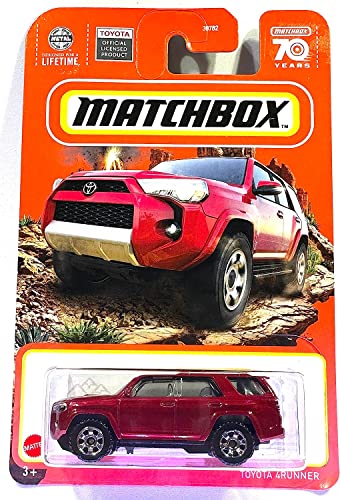
Toyota 4Runner, 70 Years Edition
4.7 out of 5 · 275 ratings
1:64
$13.79
Open the slot
Numbered releases, anniversary sets and premium diecast cars at 1:64 — rubber tires, metal bases and the finish the mainline does not get.
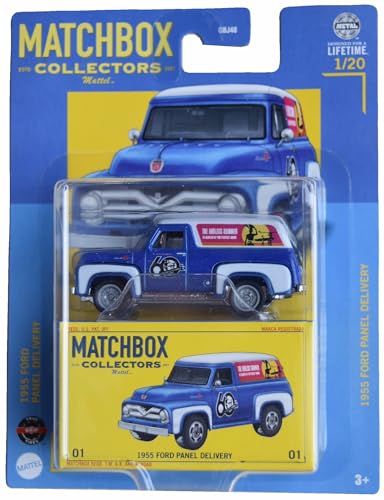
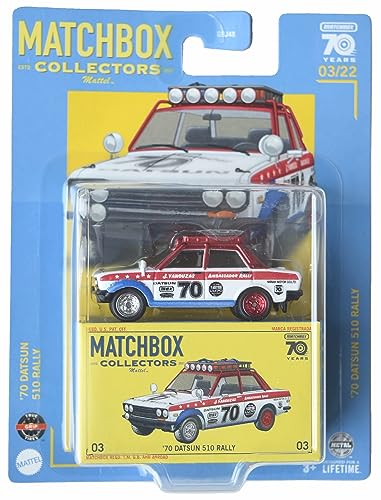
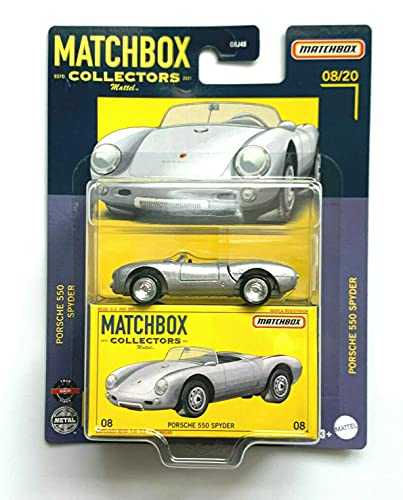
Matchbox Collectors is the line the manufacturer makes for the people who never stopped buying. The castings carry rubber tires, metal bases and a level of printed detail the mainline does not get, and each release is numbered inside its series — 3/20, 19/22 — which turns a shelf into a checklist.
Around that line sit the anniversary sets and the legacy releases: complete sets of five, reissues of models the brand sold decades ago, and the occasional premium box aimed squarely at somebody who remembers the original. Prices here run higher than the mainline because production runs are shorter and the finish costs more to apply.
4.7 out of 5 · 275 ratings
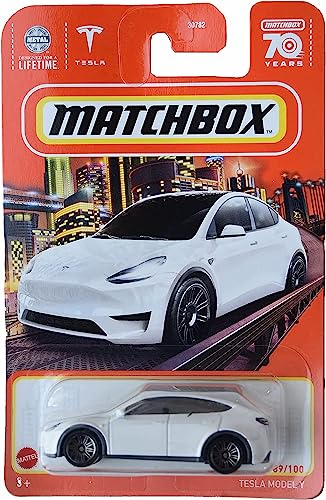
4.7 out of 5 · 185 ratings
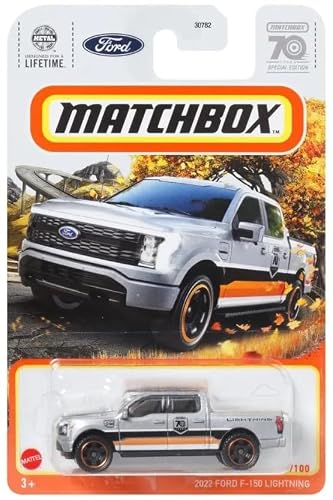
4.6 out of 5 · 71 ratings
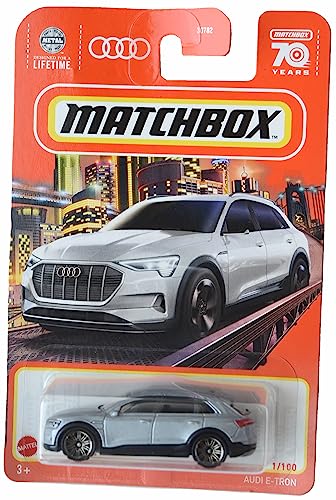
4.6 out of 5 · 62 ratings
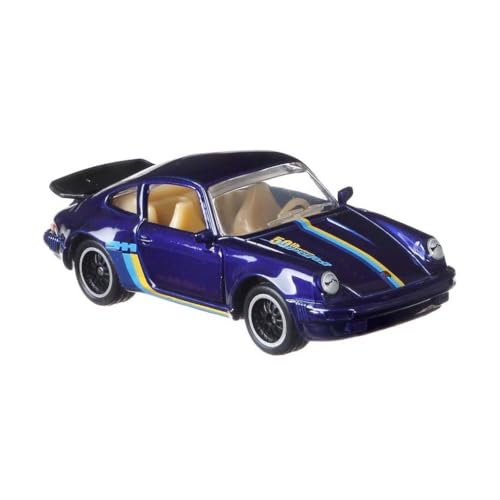
4.2 out of 5 · 46 ratings
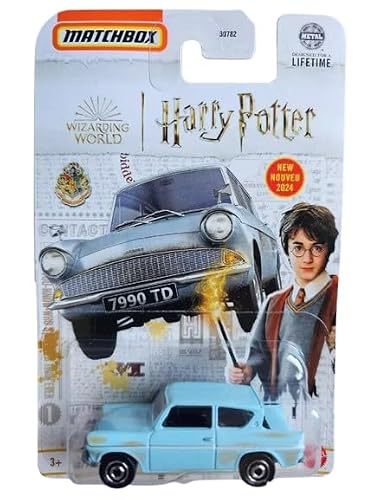
4.6 out of 5 · 45 ratings
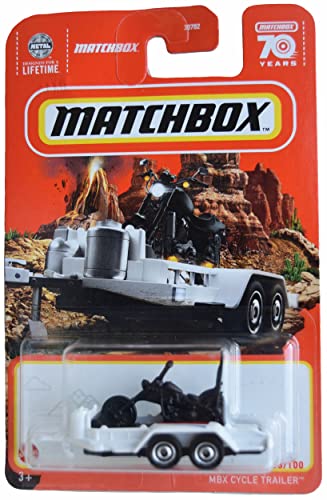
4.5 out of 5 · 33 ratings
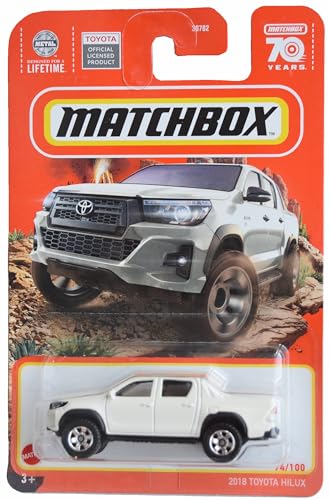
4.6 out of 5 · 31 ratings
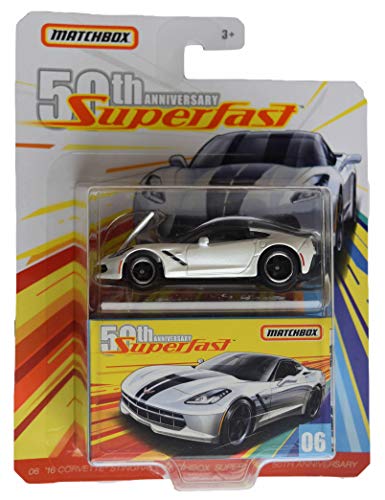
3.8 out of 5 · 23 ratings
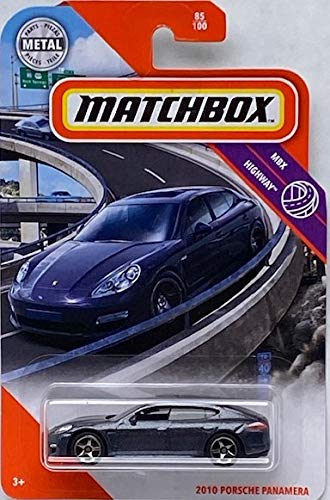
4.5 out of 5 · 19 ratings
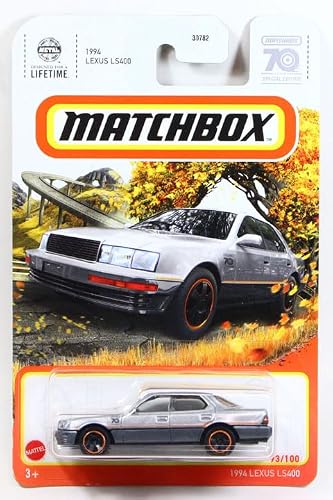
4.5 out of 5 · 18 ratings
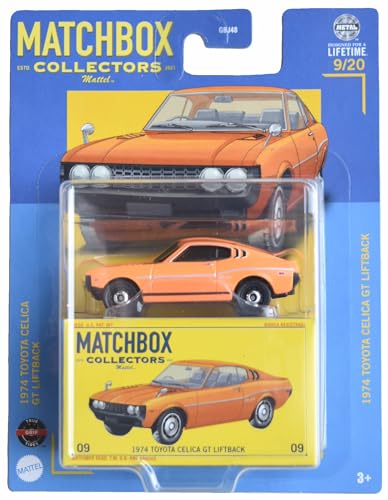
4.2 out of 5 · 15 ratings
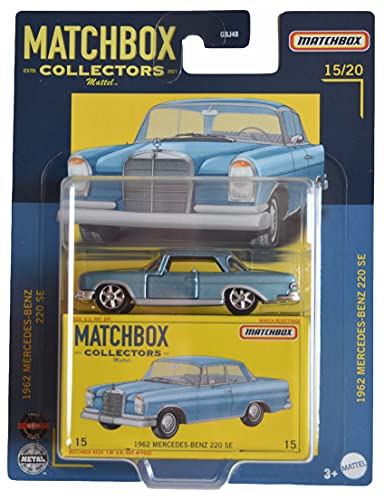
4.3 out of 5 · 14 ratings
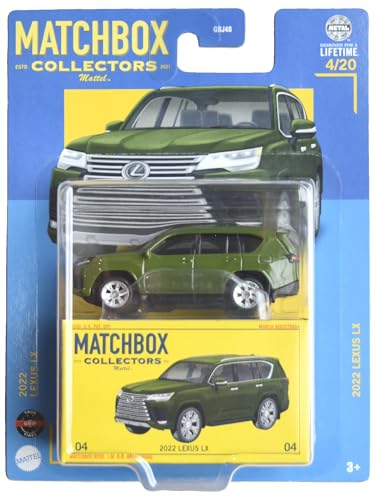
4.8 out of 5 · 8 ratings
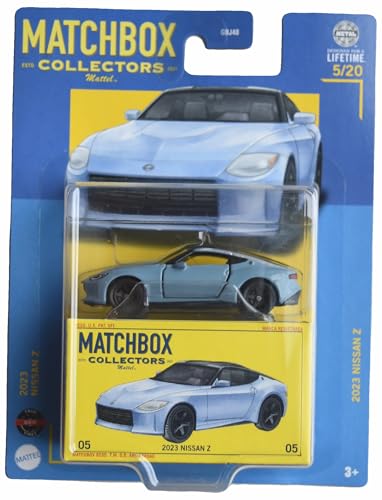
4.1 out of 5 · 7 ratings
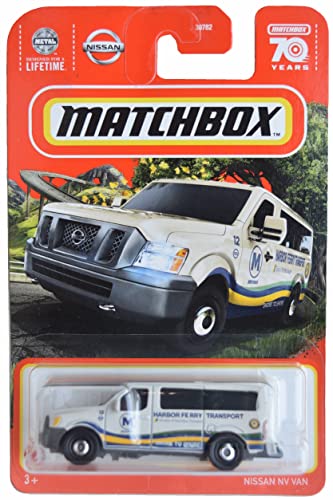
5.0 out of 5 · 7 ratings
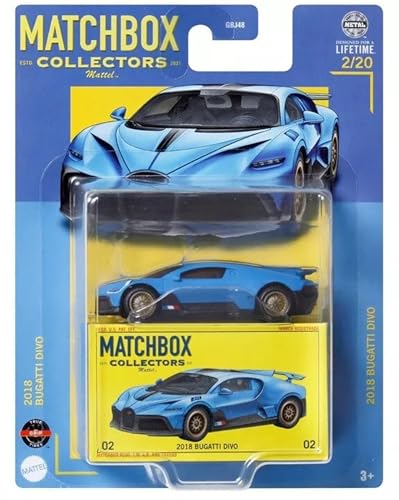
4.8 out of 5 · 7 ratings
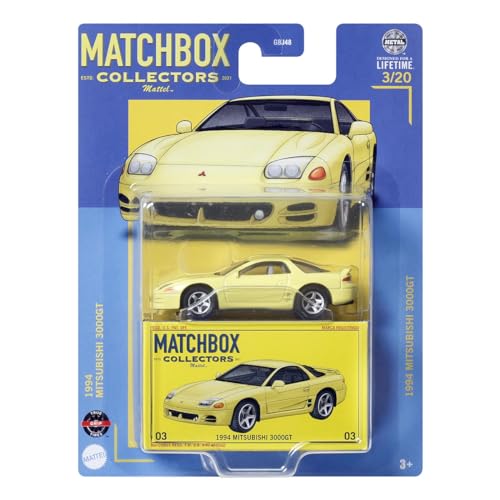
3.2 out of 5 · 6 ratings
5.0 out of 5 · 3 ratings
4.0 out of 5 · 3 ratings
4.6 out of 5 · 2 ratings
5.0 out of 5 · 2 ratings
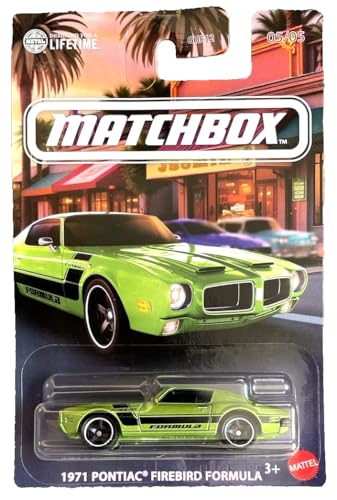
5.0 out of 5 · 1 ratings
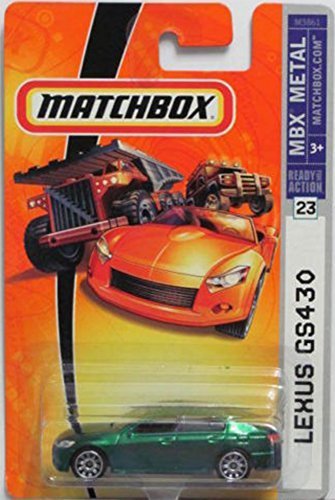
5.0 out of 5 · 1 ratings
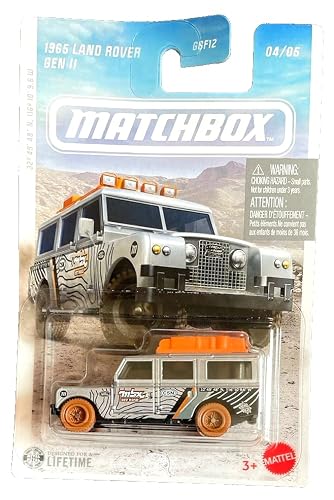
4.4 out of 5
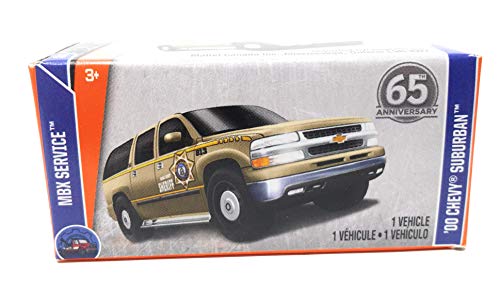
4.4 out of 5
5.0 out of 5
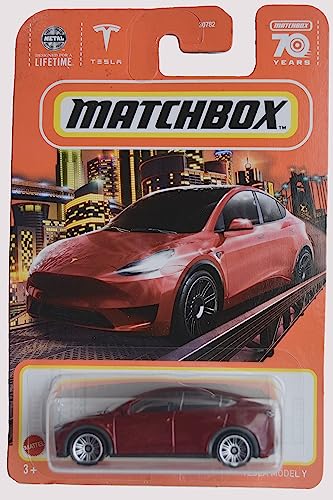
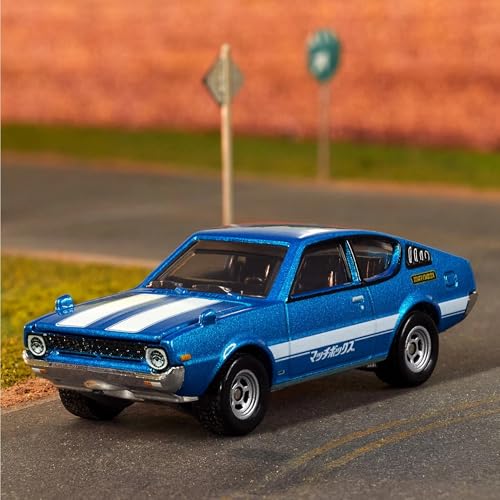
The detail differences are visible without a loupe. Glazing is clear rather than tinted, so the window line reads properly; the metallic paints have a real flake in them instead of a flat approximation; white, silver and green bodies get a second pass so the printed graphics sit on an even surface. Wheels are the giveaway — a rubber tire on a separate rim is the single quickest way to tell a premium 1:64 car from a mainline one at arm's length.
The subjects lean toward cars people can name. Japanese sports models turn up often, with Toyota, Honda and Nissan all represented across recent editions; American muscle arrives as Dodge and Chevrolet castings; European sedans and the occasional Formula-style open-wheel car fill the rest. Stock-spec bodies are the rule here rather than modified ones, which is why the tuner builds some collectors expect — an RWB widebody, a bōsōzoku Skyline — are not part of this catalog at all.
A collector buying from this tray is usually closing a gap rather than starting out. We list the series number where the packaging prints one, since that is the thing that decides whether a model is the one you are missing.