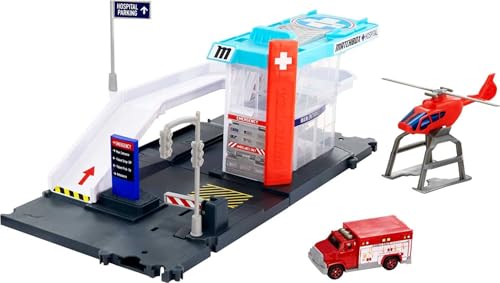
Cars Playset, Action Drivers Helicopter Rescue & 1:64 Scale Ambulance & Helico
4.8 out of 5 · 1223 ratings
1:64
$30.88$34.99
Open the slot
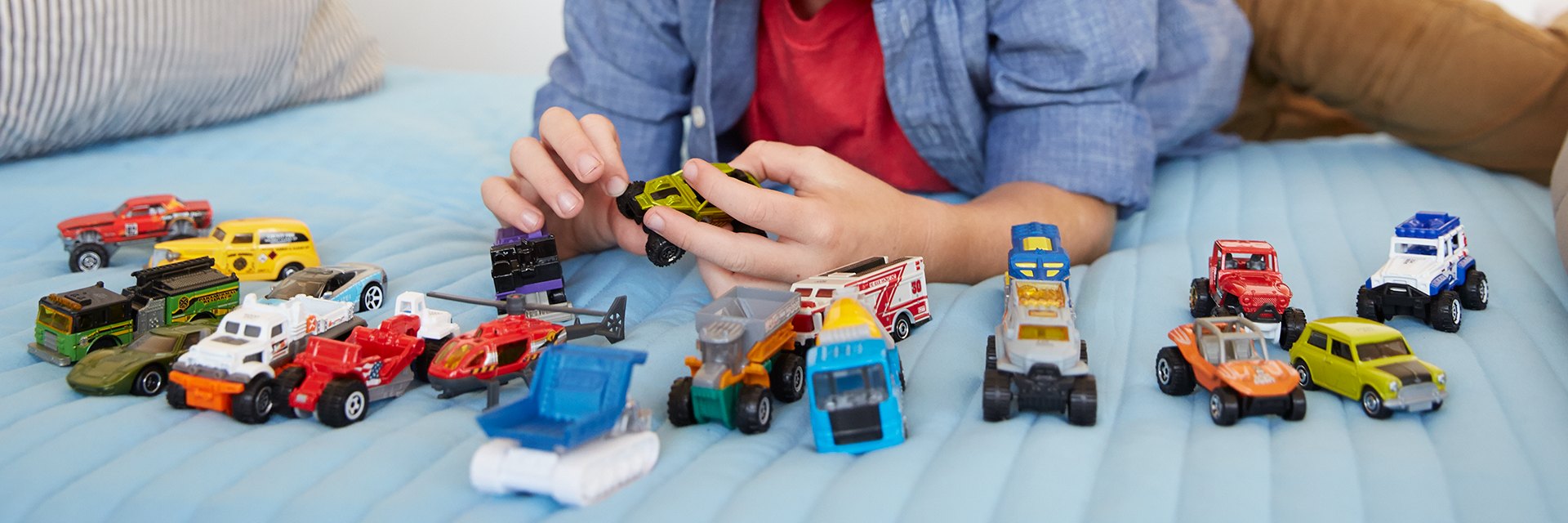
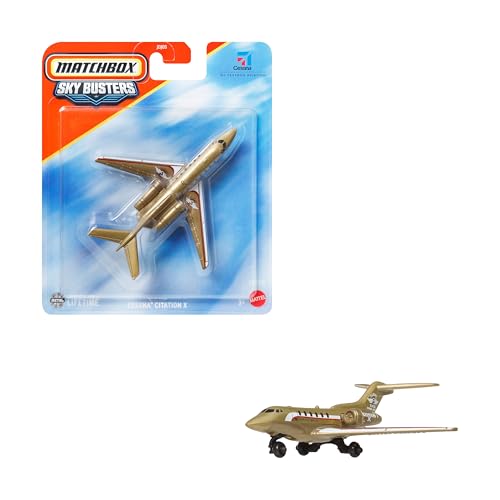
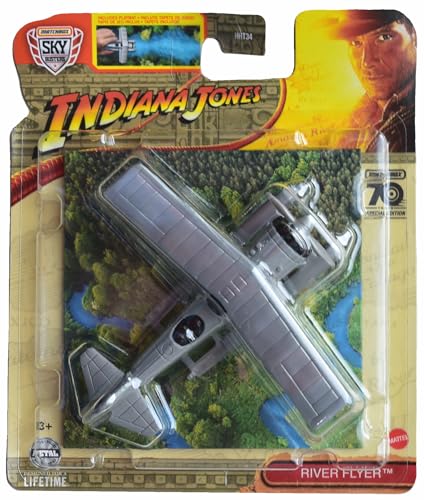
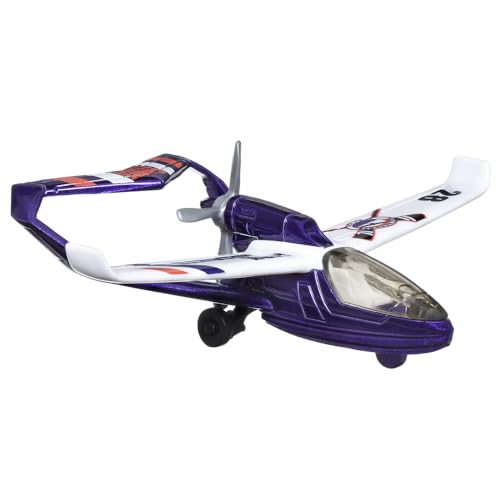
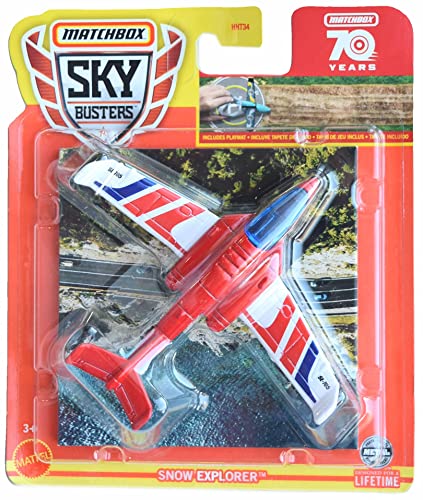
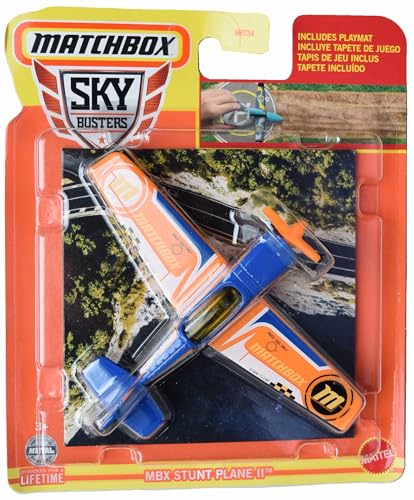
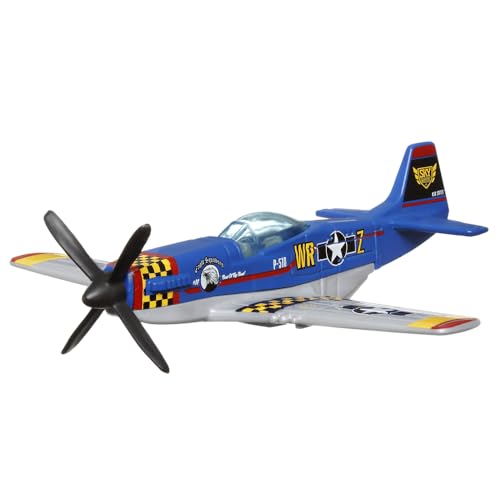
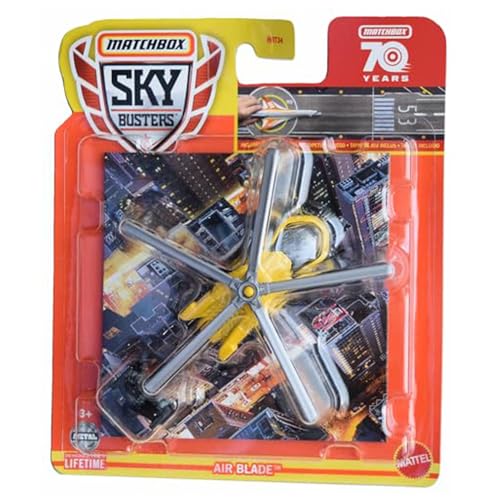
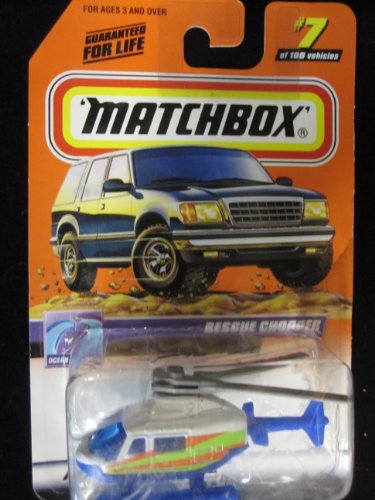
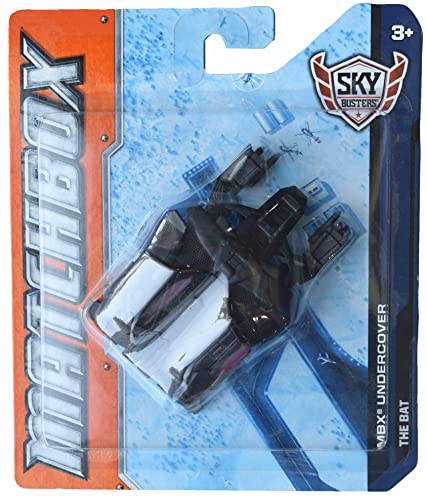
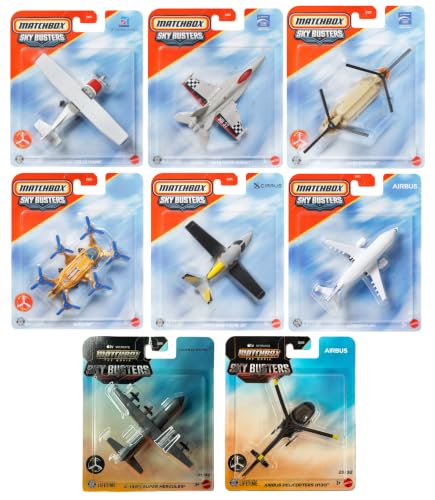
Matchbox planes, helicopters and spacecraft, most boxed with a printed playset mat — the part of the catalog that takes off instead of driving.
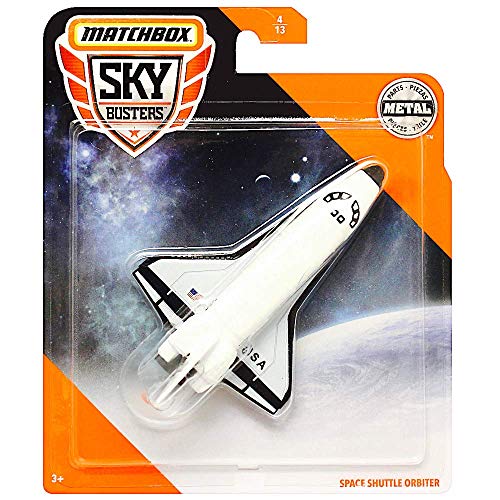
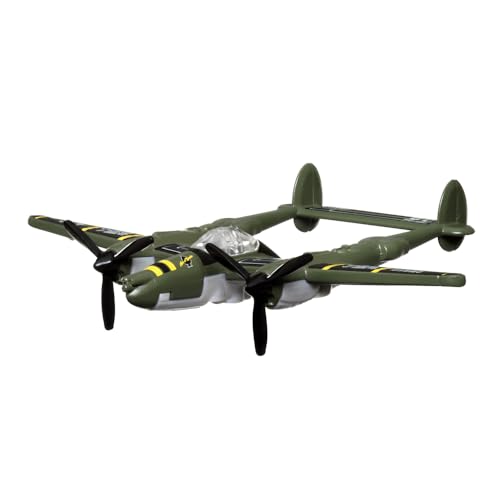
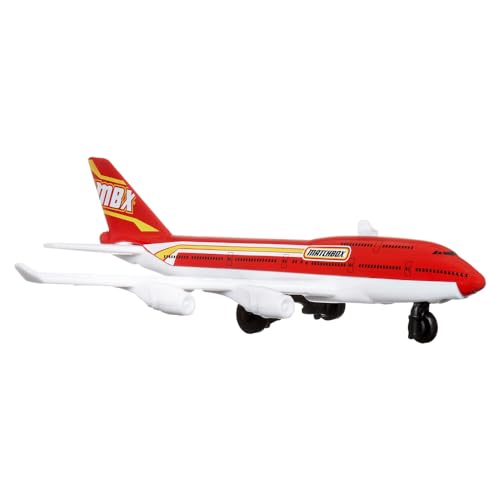
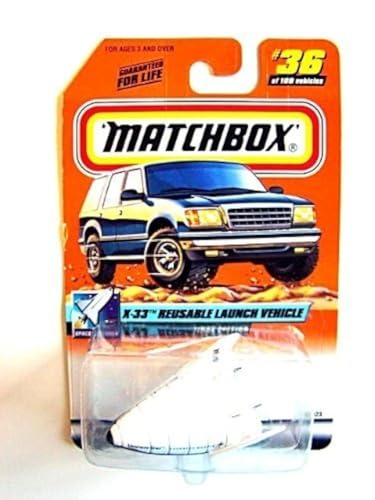
Sky Busters is the oldest side line the brand still runs. It began in the 1970s when the manufacturer decided that if a car could be cast small enough to fit a box, so could an airliner, and the line has carried jets, fighters, a rescue helicopter or two and — more recently — a cargo spacecraft and a shuttle orbiter.
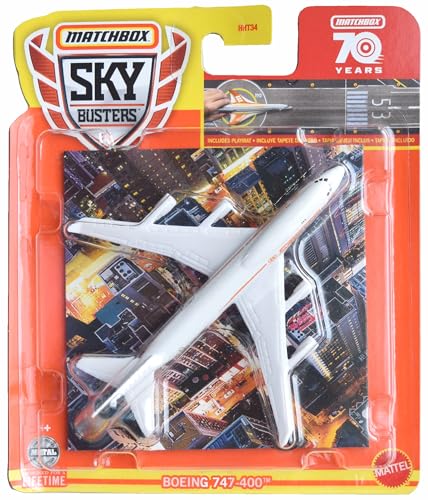
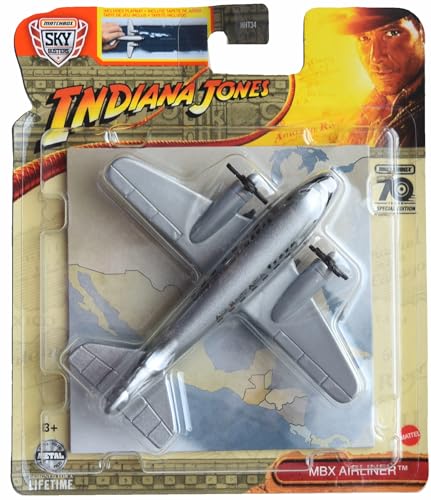
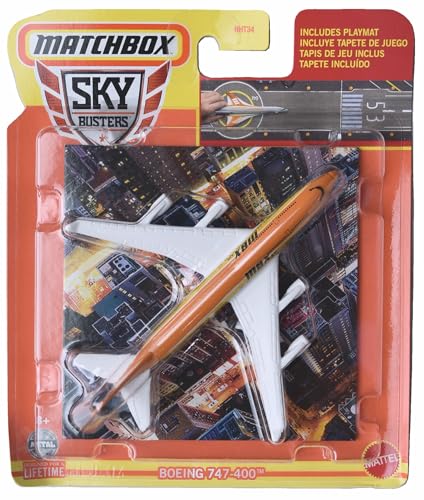
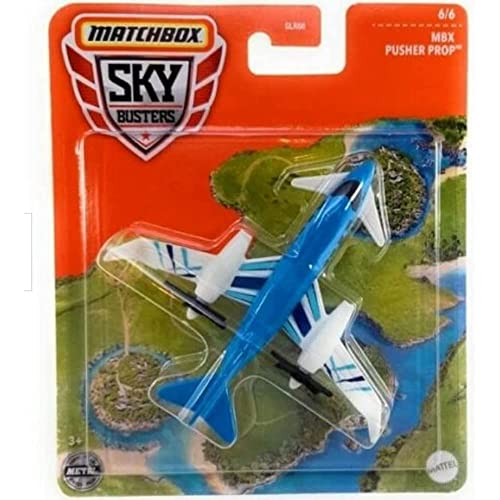
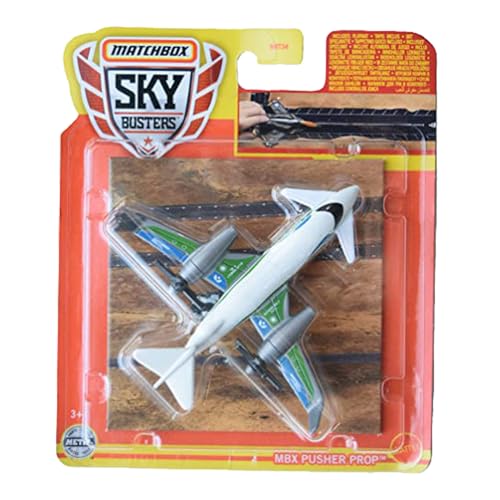
These live next to the playsets rather than the cars for a practical reason: nearly every current box includes a printed mat with a runway, an airport apron or a launch pad on it, which makes the model a small playset on its own. Put one next to an Action Drivers transportation center and the two read as one layout — ground traffic feeding a plane, a tow tractor pulling it round, a police car on the perimeter.
4.8 out of 5 · 1223 ratings
4.7 out of 5 · 475 ratings
4.9 out of 5 · 134 ratings
3.7 out of 5 · 104 ratings
4.7 out of 5 · 70 ratings
4.5 out of 5 · 56 ratings
4.6 out of 5 · 48 ratings
4.3 out of 5 · 38 ratings
4.4 out of 5 · 24 ratings
4.9 out of 5 · 22 ratings
4.8 out of 5 · 22 ratings
4.3 out of 5 · 16 ratings
5.0 out of 5 · 14 ratings
5.0 out of 5 · 14 ratings
4.7 out of 5 · 12 ratings
4.9 out of 5 · 11 ratings
5.0 out of 5 · 10 ratings
4.4 out of 5 · 8 ratings
4.5 out of 5 · 8 ratings
4.5 out of 5 · 7 ratings
5.0 out of 5 · 5 ratings
5.0 out of 5 · 5 ratings
4.0 out of 5 · 4 ratings
5.0 out of 5 · 4 ratings
5.0 out of 5 · 4 ratings
4.4 out of 5 · 4 ratings
5.0 out of 5 · 4 ratings
5.0 out of 5 · 2 ratings
4.8 out of 5
4.7 out of 5
4.3 out of 5
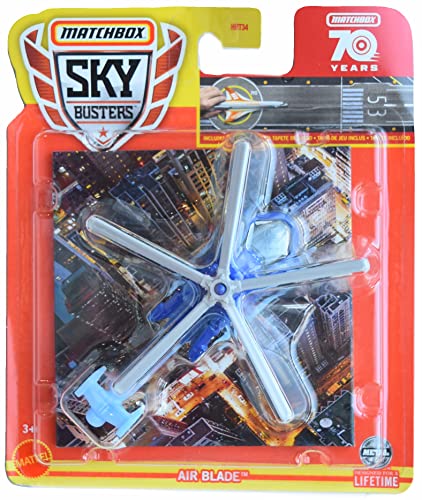
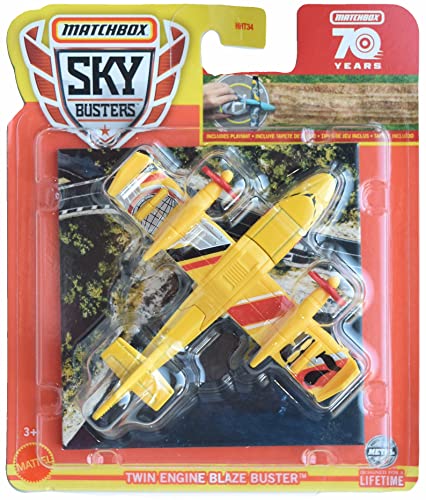
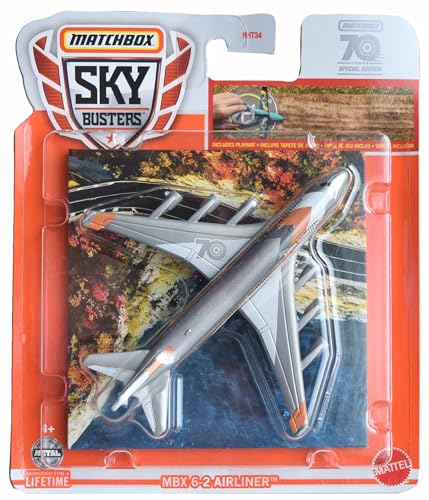
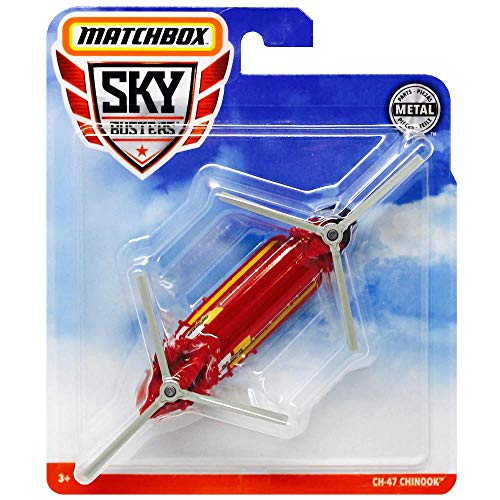
Aircraft do not reduce the way cars do, so the size here is approximate rather than fixed at 1:64. What stays constant is the build: diecast metal fuselage, plastic wings or rotors, printed livery on the tail. A helicopter is usually the smallest model in the tray and the one with the most moving parts; an airliner is the largest and the flattest. Takeoff, as far as the mat is concerned, happens wherever the child says it does.
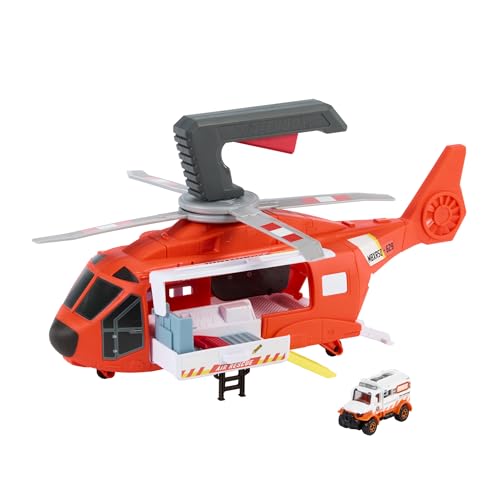
The subjects run wider than passenger flight. There is a sea rescue machine that works off a boat deck, a firefighting tanker, a construction site lift helicopter and a police chopper, so the same job categories that fill the working rigs tray turn up again in the air. Children who like the ground sets usually want one of these to go with them, and the price sits in the same bracket.
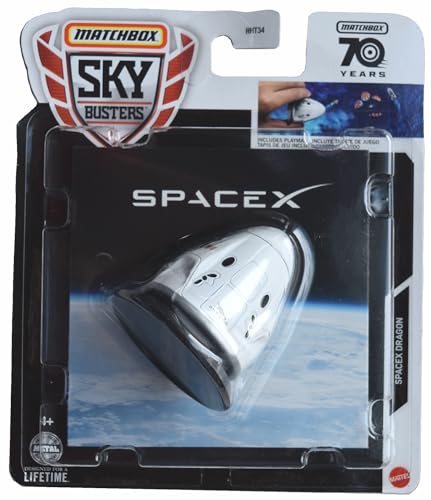
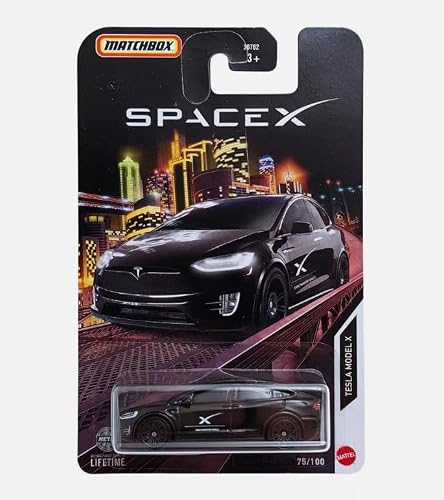
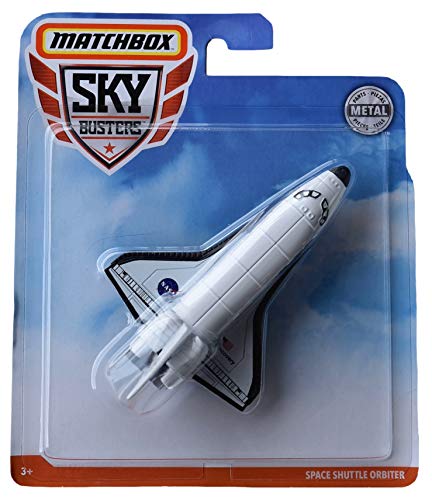
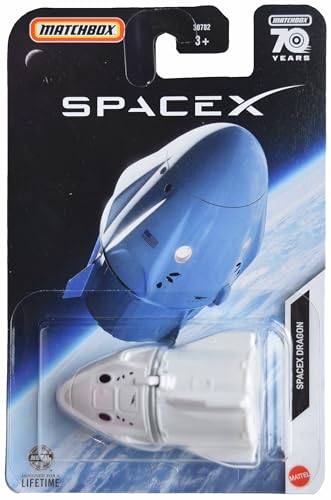
Collectors treat this tray differently from the rest. Aircraft are displayed, not rolled, and a shelf of them reads as a fleet rather than a parking lot. If you came looking for the space models, they are here rather than in the car trays — the manufacturer files them with the aircraft.
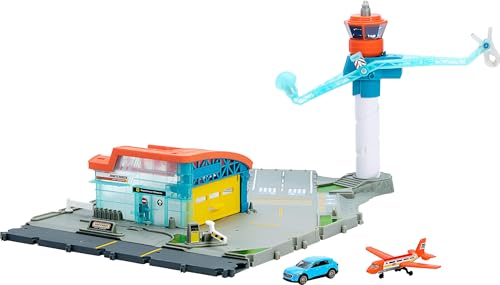
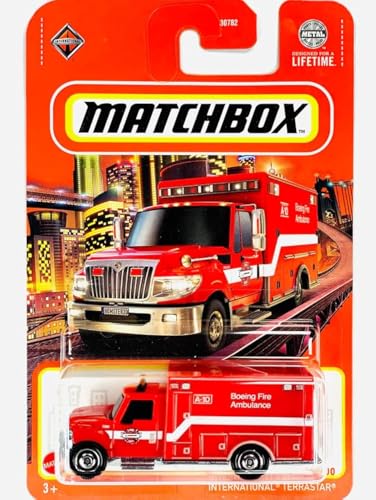
Two boxes in this tray cross over to the ground. The Takeoff Adventure airport set ships with a toy Audi and a plane together, and the helicopter rescue set adds an ambulance, so you get an aircraft and a road vehicle at the same 1:64 size. There is no garage, no fuel station, no taxi and no car wash up here — those live with the Action Drivers playsets, and the trucks that feed a runway come from the working rigs tray.
Age marks are printed on the packaging and start at three years old; nothing in a Sky Busters box is small enough to be a worry for a child of that kind of age, and apart from the two crossover sets there is no figure, no battery and nothing to charge. Retailers shelve these with the small cars rather than with the playsets, which is the usual reason people cannot find them — the information on the box says aircraft, the shelf says cars.
A word on what people expect and will not find. There is no mobile command unit, no tracking radar, no epic multi-piece base and no escape pod beyond the shuttle orbiter and the SpaceX capsule. The farm tractor, the excavator, the mini loader and the Corvette are all real Matchbox castings, but they are road models and live in other trays. Sky Busters stays in the air, and the United States space program is the only non-aviation subject it has ever taken on.
Not exactly. Aircraft do not reduce the way cars do, so the ratio floats — a model is sized to the hand instead. The crossover road vehicles packed with two of these sets are proper 1:64.
Most current boxes do: a folded paper runway, apron or launch pad. Older releases and the plain collectible aircraft do not, and the listing says which.
Three years old and up on the packaging. There is no battery, no charging and, outside the two crossover sets, no loose figure in the box.
No, the space models are filed here. The shuttle orbiter, the SpaceX capsule and the crew transport vehicle all sit in this tray rather than with the cars.