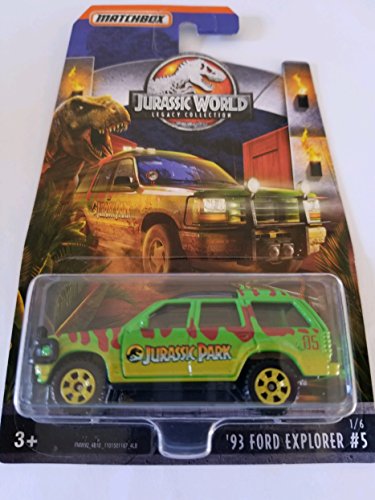
2018 Matchbox Jurassic World Legacy Collection Limited Edition - '93 Ford Expl
4.6 out of 5 · 102 ratings
1:642018
$24.90
Open the slot
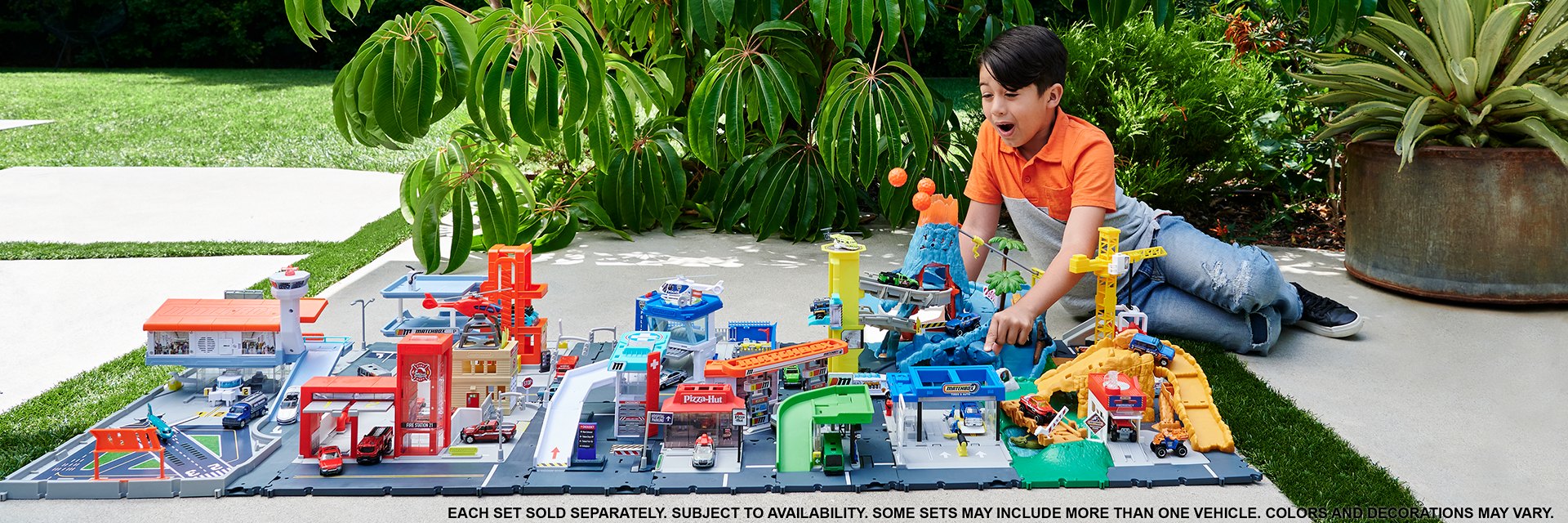
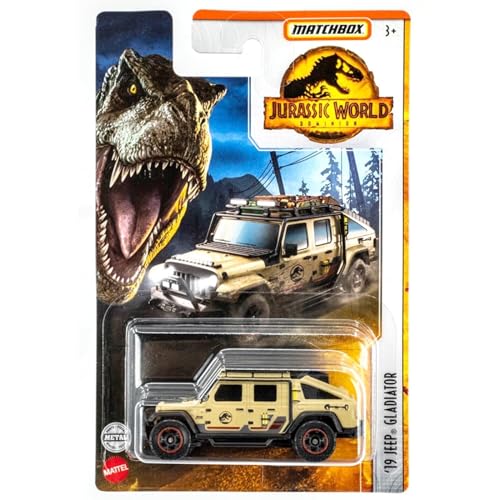
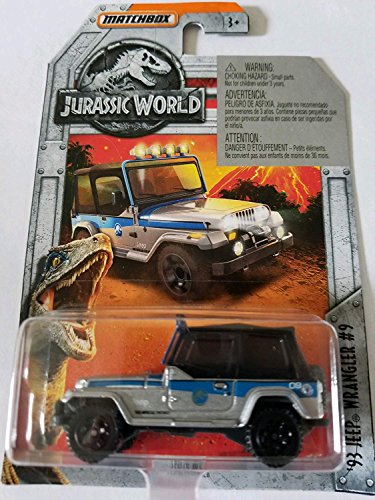
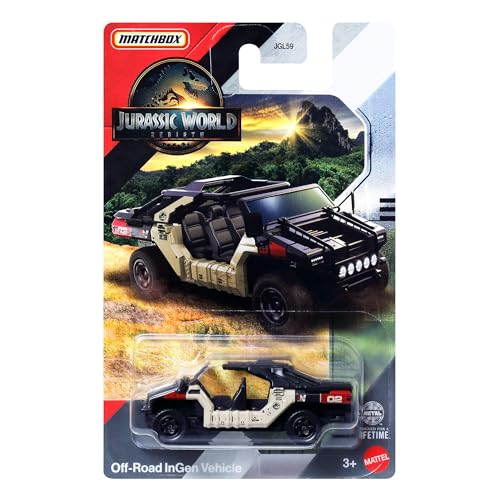
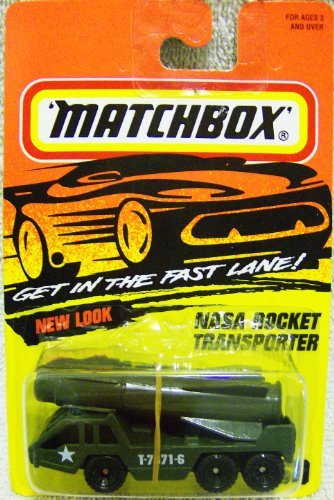
Matchbox cars that came from somewhere else first — film vehicles, television tie-ins and real delivery liveries, printed onto the standard 1:64 castings.
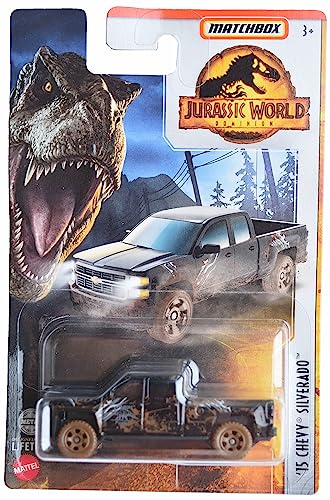
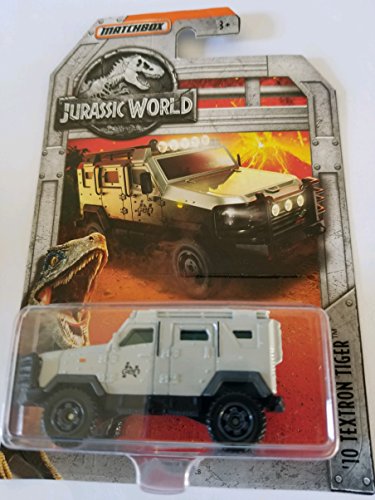
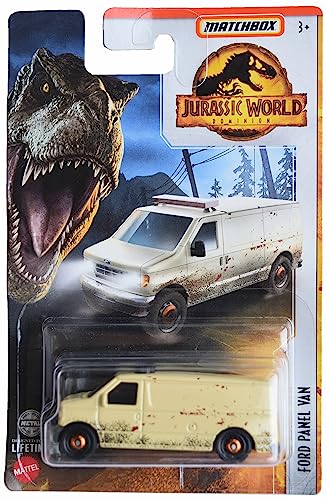
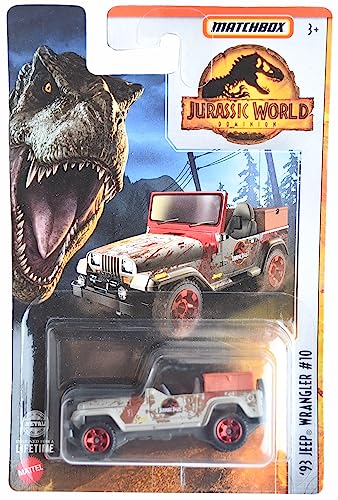
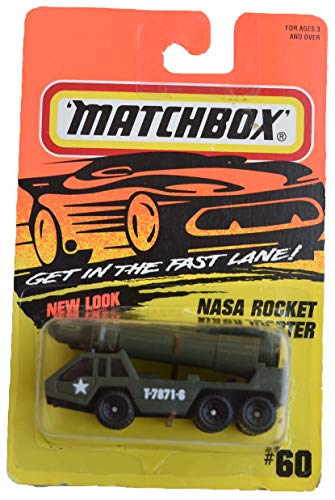
Some Matchbox cars arrive with a story attached. A '93 Jeep Wrangler here is not just a Jeep — it is the one from the dinosaur park film, printed with the markings the film used. Two licenses fill this category almost entirely: Jurassic World, which is most of it, and NASA, which supplies a rocket transporter and a crew chariot. Between them they make the most recognizable shelf in the case.
The castings underneath are the standard ones. A licensed Ford Explorer and a plain Ford Explorer are the same tooling at the same size, so a licensed model shelves beside the rest of your Matchbox cars without looking like a toy from a different line. What changes is the print on top, the card art, and the fact that a dinosaur figure is sometimes added to the box.
4.6 out of 5 · 102 ratings
4.4 out of 5 · 44 ratings
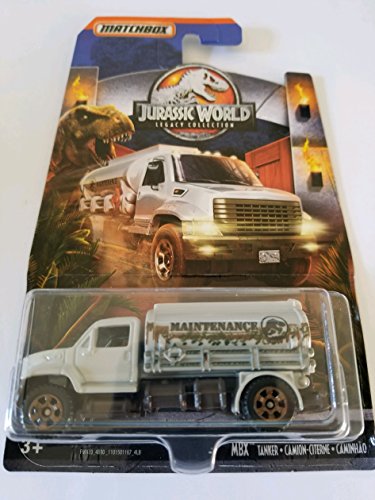
4.9 out of 5 · 26 ratings
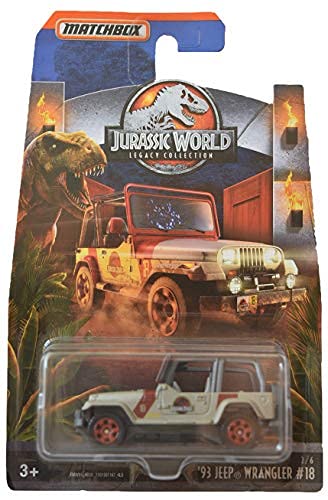
4.4 out of 5 · 26 ratings
4.9 out of 5 · 22 ratings
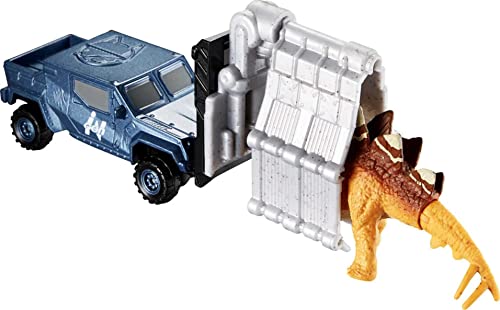
4.5 out of 5 · 19 ratings
4.8 out of 5 · 8 ratings
4.8 out of 5 · 8 ratings
5.0 out of 5 · 7 ratings
5.0 out of 5 · 6 ratings
4.2 out of 5 · 5 ratings
5.0 out of 5 · 2 ratings
4.7 out of 5
5.0 out of 5
4.5 out of 5
Licensed models are usually the ones that close first. A license runs for a fixed term, and when the term ends the cars and trucks stop being produced whatever the demand looks like. Nothing is announced and nothing is marked on the packaging — the first information anyone gets is that a listing goes quiet. Since that happens without warning, we re-read this tray more frequently than the others, and we would rather show a short list that is current than a long one that is not.
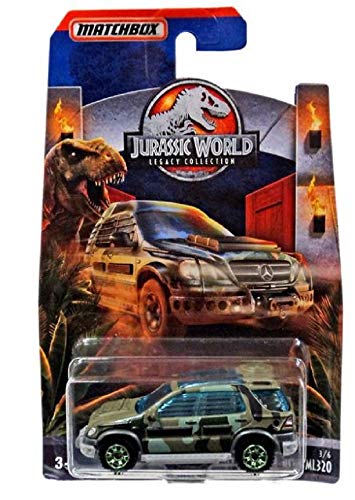
The Legacy Collection is the part a collector tends to hunt. Those are limited-edition reissues of castings from the brand's own history — a '93 Ford Explorer, a Mercedes ML 320 — numbered inside a set of six, and they are what people mean when they search for Matchbox collectibles rather than toys. A sealed one with no card damage is the gem of this category; a loose one that has seen play is worth having too, for different reasons.
One more thing worth saying plainly. A license granted for one market does not automatically create a release in another, so a model that is ordinary in Europe can be the hard one in the United States. Nothing here is personalized either — the print is identical on every copy of a casting, and the only way to make a set your own is to pick your favorites and find the ones that close the gaps. There is no convertible among the licensed cars on sale this year, and the moving parts are whatever the casting always had.
Yes. They are 1:64 castings on the same tooling, so a licensed Jeep parks beside a plain one at the right size. Only the large-scale models, which have their own tray, break that rule.
Usually a Legacy Collection release — limited edition, numbered, and aimed at somebody who remembers the first one rather than at kids. Those are the ones that get hard to find.
No. Every copy of a casting carries the same print. You create a set by choosing which models to grab, not by changing them.
Because the license has an end date. Production stops, the model drops off the card list, and resale is all that is left. That is the whole history of this category in one sentence.